


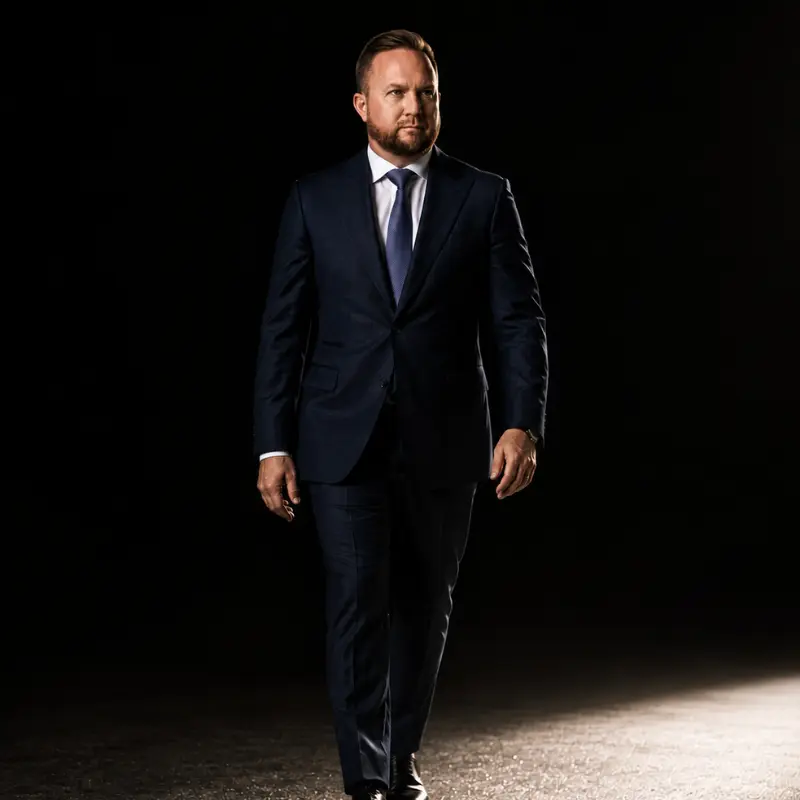
Josh Alexander
Founder & Managing Attorney
Josh helps families understand their options after a fatal crash or other preventable death. He leads the firm’s investigation, case strategy, and client communication.
Meet Josh
Reviewed by Josh Alexander, Founder & Managing Attorney | Updated
If someone you love died because of another person’s actions, your family may have the right to answers, accountability, and compensation. You do not have to figure this out alone, and you do not need to make decisions today.
Free, confidential consultation. No attorney’s fee unless we recover compensation for you.
Rated 5.0 from 675+ Google reviewsImportantTexas wrongful death deadlines can pass quickly. Some claims must be acted on within months, not years.
Recovered across resolved client matters
Years of combined legal experience
Google reviews
Years named to Super Lawyers Rising Stars
Past results do not guarantee a similar outcome. Attorney recognitions and ratings do not guarantee future results.
Texas law recognizes two different claims after a preventable death. A wrongful death claim compensates the family for their own losses. A survival claim continues the legal rights the person held before they died. Which claims exist, and who controls them, depends on the facts. We determine that at the start, because the answer shapes everything that follows.
A wrongful death claim belongs to the surviving spouse, children, and parents of the person who died. It seeks compensation for the losses those family members experience because of the death.
A survival claim belongs to the estate. It seeks damages the person could have claimed if they had survived, including certain medical expenses, pain, and other losses between the injury and death.
Your family may have a wrongful death claim, a survival claim, both claims, or neither.
When both a wrongful death claim and a survival claim may apply, we evaluate them together. This helps us understand how each claim affects the family, the estate, available insurance, and settlement decisions.
You may not need to open an estate to bring a wrongful death claim. A survival claim is different because it belongs to the estate. Whether probate or an estate representative is needed depends on the available claims, the family’s circumstances, and how the case must be handled.
We explain the options before asking your family to begin a probate process you may not need. If an estate is necessary, we help coordinate the legal work with the probate process.
Texas limits who can bring a wrongful death claim. We identify who holds that right and make sure the claim is handled correctly from the beginning.
In Texas, a surviving spouse, child, or parent may bring a wrongful death claim. Siblings, grandparents, and other relatives generally cannot bring this type of claim.
| Family member | Can bring a claim? |
|---|---|
| Surviving spouse | Yes |
| Child | Yes |
| Parent | Yes |
| Sibling | Generally no |
| Grandparent | Generally no |
| Other relatives | Generally not eligible |
One eligible family member may bring a wrongful death claim for the benefit of all eligible family members. Your family does not need to resolve every decision before speaking with us.
Before filing, we identify the eligible family members and confirm whether another wrongful death or estate-related action is already pending. That helps prevent duplication and confusion about who has authority to act.
If you are not a spouse, child, or parent, you may not be able to bring a wrongful death claim yourself. If you are not eligible to file, we can explain whether any other legal options exist for your family.
Most Texas wrongful death lawsuits must be filed within two years of the date of death. If no eligible family member files within three months, the estate’s personal representative may gain authority to file for the family. We identify and calendar both dates when we review the case.
Deadlines control wrongful death cases. Some run from the date of death. Others run from the date of the incident. We identify every deadline that applies and protect them immediately.
If a city, county, state agency, or other government entity may be involved, a separate notice deadline may apply much sooner. We review that issue immediately because the deadline can begin before a family is ready to act.
Most wrongful death lawsuits must be filed within two years of the date of death.
The three-month rule can change who has authority to file. Learn more in the deadline overview above.
If a city, county, state agency, or other government entity may be involved, formal notice may be due much sooner.
Video, vehicle data, company records, and physical evidence can disappear before the lawsuit deadline.
ImportantIf a government vehicle or government employee may be involved, special rules can apply. Government immunity, limits on compensation, and shorter notice deadlines may affect the claim.
If a fleeing driver caused the crash, that driver may be responsible. The practical issue is often whether the driver has insurance or assets available to pay a claim.
We evaluate both the claim against the fleeing driver and any possible claim against a government entity. We also review available uninsured/underinsured motorist coverage.
Our police chase accident page covers that interaction, and our guide to Texas filing deadlines sets out the rest.
These examples include wrongful death and serious-injury matters handled by the firm. Every case is different, and past results do not guarantee a similar outcome.
Recovered for a family after a fatal collision with a commercial truck.
Recovered after a heavy truck caused a high impact highway collision.
Settlement for injuries from a commercial truck collision.
Fatal crashes are rarely as simple as they first appear. Fault, insurance coverage, and responsibility often involve more than one person or company. We investigate how the crash happened and who can legally be held accountable.
We investigate the impaired driver and available insurance coverage. In limited circumstances, another person or business may also be responsible.
We review the truck driver, trucking company, maintenance records, safety policies, and available electronic data.
Motorcycle crashes often involve disputes about speed, visibility, lane position, and fault. We review the evidence before accepting an insurer’s explanation of what happened.
Pedestrians are highly vulnerable in vehicle crashes. We investigate driver behavior, speed, traffic signals, lighting, road design, video, and witness evidence.
A workplace death may involve more than a workers’ compensation claim. If a third party, such as a driver, contractor, property owner, or equipment company, caused or contributed to the death, the family may have an additional claim.
A claim involving a government entity may have special rules, including immunity issues, limits on compensation, and short notice deadlines.
No matter how the death occurred, we begin by investigating the cause, identifying responsible parties, and determining which claims may apply under Texas law. If your loved one died in a crash, our Texas fatal car accident lawyers can review how the collision occurred and explain whether a wrongful death claim may exist.
No amount of money undoes a death. What a wrongful death claim can do is address the financial harm and hold the responsible party accountable. Texas law allows families to recover specific categories of losses.
Income, benefits, household services, and other financial support the person would likely have provided.
The loss of the relationship, guidance, care, love, and companionship the person provided.
The emotional pain surviving family members experience because of the death.
The financial inheritance family members may reasonably have expected to receive.
Medical costs related to the final injury or illness, when they are part of an available claim.
Funeral and burial costs, when recoverable under the facts of the case.
Texas law reduces compensation if the person who died is found partially at fault. If they are found more than 50% responsible, recovery may be barred entirely.
We address fault disputes with evidence, not argument.
The value of a wrongful death claim depends on the evidence, available insurance or assets, the people entitled to recover, and any legal limits that may apply. We do not estimate value before we understand the facts. Our note on what a Texas case is worth explains why published averages mislead.
We do not rely only on a crash report or someone’s memory of what happened. We gather records, physical evidence, video, vehicle data, witness statements, and expert analysis to show how the death occurred and who may be responsible.

We review reports, photos, measurements, debris, vehicle damage, and roadway conditions.
We look for dash cameras, business cameras, doorbell footage, traffic cameras, and witnesses.
We request available data that may show speed, braking, steering, seat-belt use, or vehicle activity before impact.
In truck and workplace cases, we seek maintenance records, driver logs, training records, hiring records, and safety policies.
We review records showing the injury, treatment, cause of death, and the period between injury and death.
When needed, we work with reconstruction, medical, economic, and other experts to explain the evidence.
You focus on your family. We handle everything else. From the first conversation, we take control of the legal process so nothing is missed and nothing falls on you.
We ask for the information only your family can provide, then we handle the investigation, records requests, filings, negotiations, and communication with the other side. We keep you informed as the case moves forward.
You do not need documents, answers, or a plan before contacting us. Start with what you know. We will handle the rest and tell you if anything is time-sensitive.
Please contact us promptly if there may be video, vehicle data, a commercial vehicle, a government entity, or an insurance deadline involved. Those records and deadlines can become harder to protect with time.
A first conversation does not commit your family to bringing a claim. We review what happened and explain whether there is anything you need to decide. If we do not see a viable claim, we will tell you directly.
| Your family can do | We do first |
|---|---|
| Save letters, bills, photos, messages, and insurance information | Identify immediate legal and evidence deadlines |
| Keep medical, funeral, and employment records | Request preservation of records where needed |
| Write down what you remember | Review available insurance coverage |
| Avoid signing insurer documents you do not understand | Explain possible wrongful death and survival claims |
| Tell us if a government vehicle or agency was involved | Review whether a short government notice deadline may apply |
We represent families across Texas after a fatal crash, workplace incident, or other preventable death. You do not need to hire a lawyer in the city or county where the death occurred. We can review the facts, explain your options, and determine where a claim may need to be filed.
Where a claim is filed depends on the facts, the parties involved, and Texas venue rules. We determine that after reviewing the case.
Wrongful Death Cases We Handle Across Texas
We investigate fatal car, truck, motorcycle, delivery-vehicle, pedestrian, and bicycle crashes across Texas.
If a third party caused or contributed to a workplace death, the family may have a claim in addition to workers’ compensation benefits.
Deaths that happen offshore, on navigable waters, or in maritime work may be governed by federal law. We review where the death happened and who was involved to determine which laws may apply.
We investigate driver behavior, traffic signals, road design, lighting, video, and witness evidence after a fatal pedestrian or cyclist crash.
Government-related deaths can involve immunity rules, limits on compensation, and short notice deadlines. We review those issues promptly.
No matter where the death occurred in Texas, we can review the case and explain what may come next. If your family chooses to move forward, we investigate the cause of death, preserve evidence, identify responsible parties, and protect the deadlines that apply.
Josh helps families understand their options after a fatal crash or other preventable death. He leads the firm’s investigation, case strategy, and client communication.
Meet Josh
Matthew brings prior insurance-defense experience to cases involving disputed fault, insurance coverage, and insurer arguments.
Meet Matthew
Laura represents injured people and families in serious-injury and wrongful-death matters. She provides bilingual support in English and Spanish.
Meet LauraClient reviews
These reviews are from actual clients of the firm and may involve different case types.
“They took the time to answer all of my questions and made me feel confident in them. The whole staff has been friendly and professional.”
“After speaking with them, we were put at ease right away. They made sure my physical therapy was covered and have been invaluable to us.”
“Excelente servicio al cliente, son muy atentos con sus clientes. La comunicacion es muy buena; te ayudan a cualquier hora.”
Understand the timelines that may apply to a wrongful death claim, survival claim, or government claim.
Learn what a Texas crash report may show and what it may leave unresolved.
Learn what families may need to know after a fatal crash.
Understand how Texas claims are valued and why published averages tell a family very little.
Understand attorney’s fees, case expenses, and what happens before you hire a lawyer.
Learn how insurers may contact a family after a death and what to consider before signing documents.
No verdict brings anyone back, and I have never pretended otherwise to a family. What a claim can do is settle who was responsible. It can also take the financial part off you while you deal with the rest.
Call when you are ready. We look at it properly. If there is nothing worth bringing I will say so on the first call.
(469) 807-7480No attorney’s fee unless we recover compensation.
You do not need to know whether you have a case. That is our job. Tell us what happened, and we will explain your family’s options clearly and honestly.
Free, confidential consultation. No attorney’s fee unless we recover compensation.
Attorney advertising. Josh Alexander is responsible for the content of this page; principal office 12801 N. Central Expressway, Suite 1100, Dallas, TX 75243. Prior results do not guarantee or predict a similar outcome in any future case.
The information on this page is for general purposes only and is not legal advice; contacting the firm or submitting a form does not create an attorney-client relationship. Statutory citations are to the Texas Civil Practice and Remedies Code as of August 2026 and may change. Se habla español.