


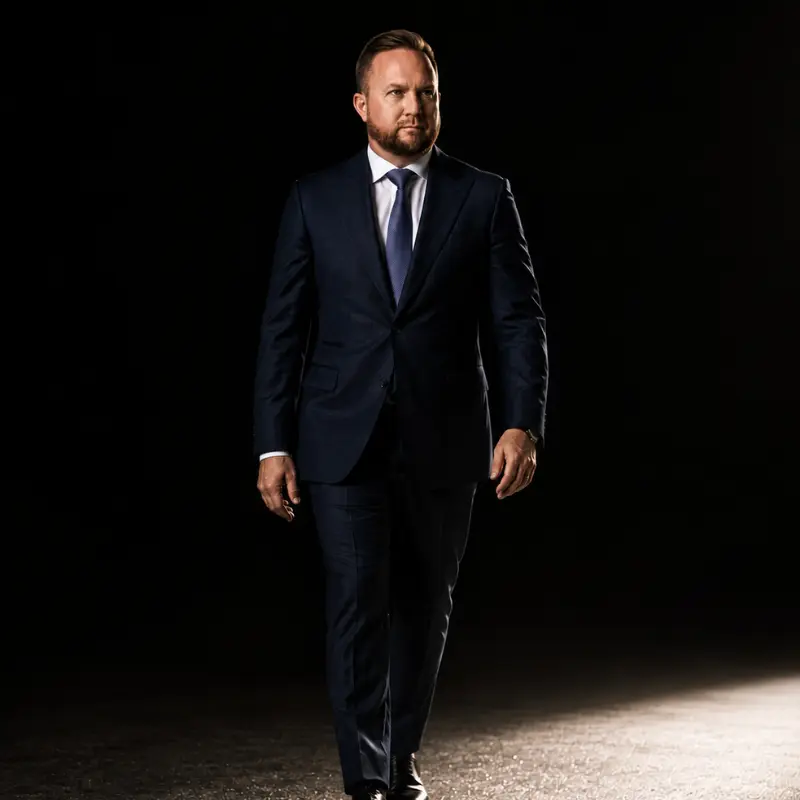
Josh
Se habla españolJosh Alexander leads the firm's serious injury practice, including 18-wheeler crashes, traumatic brain injuries, spinal injuries, drunk driving collisions, rideshare claims, and wrongful death matters.
Read Josh’s bioGetting hit from behind while stopping, slowing down, or sitting in traffic is one of the most common crashes Dallas clients describe. J. Alexander Law Firm represents drivers, passengers, and families injured in rear-end collisions across Dallas, from I-35E and the Central Expressway to LBJ, I-30, and neighborhood intersections.
Reviewed by Josh Alexander, Founder & Managing Attorney · Updated September 2026
Rated 5.0 by Google clients Dallas Stars
 Sporting United
 Super Lawyers Rising Stars
 Multi-Million Dollar Advocates Forum
 Million Dollar Advocates Forum
 Texas Trial Lawyers Association
A rear-end crash can leave you in pain, without transportation, missing work, and facing calls from an insurance company before you know how serious the injury is. These are the words people say after rear-end collisions:
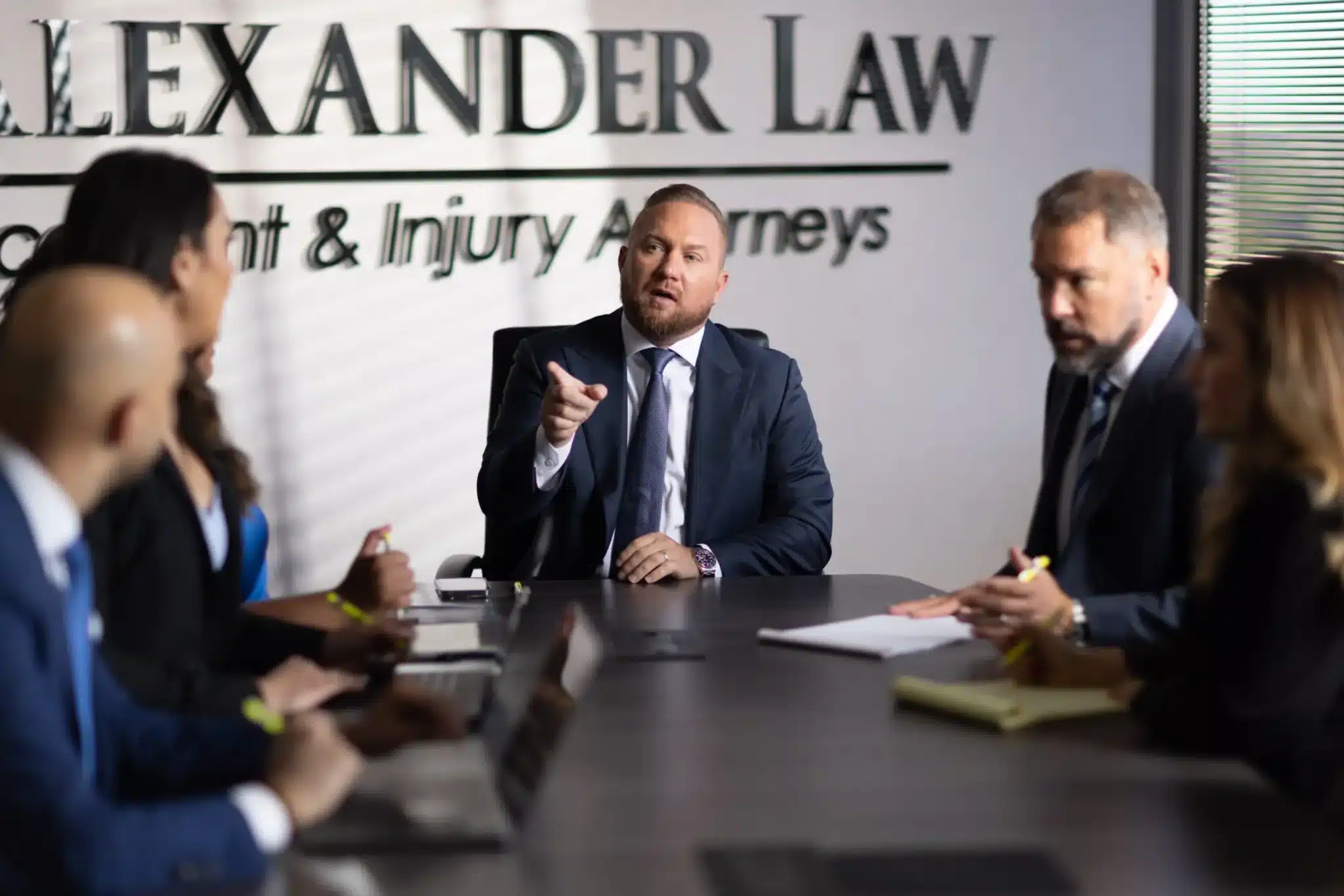
In Their Own Words
"He got rear-ended and pushed into someone else. The truck came in too fast, he wasn't paying attention, and he rammed into us."
"They found two bulging discs in my spine, one in my neck and one in my lower back."
"I'm feeling like a little back pain and then around the neck today, after a day."
"The name of the adjuster they gave me, like, the guy hasn't called me back."
"First, I didn't want to see [to the doctor] because I did not have any insurance. I don't want to pay out of pocket."
"The car looked fine. Maybe a scratch, but nothing major."
In spite of the bumper looking nearly intact, a person inside it may experience neck pain, back pain, headaches, stiffness, numbness, or other symptoms that become increasingly apparent after the shock wears off.
In Texas, you have two years to file a lawsuit for injury if a driver hit you from behind, you were injured, and the crash occurred recently. However, some cases have shorter or different deadlines, including government related claims.
A rear-end crash may look straightforward, but the claim often is not. Insurance companies may dispute the injury, blame another vehicle in a chain reaction collision, focus on vehicle damage, or argue that symptoms came from something other than the crash. Here is how we approach those cases.
Call (469) 807-7480Our work is focused on proving fault, documenting injuries, reviewing insurance coverage, dealing with medical bills and liens, and pursuing injury claims after serious crashes.
We represent people hurt in rear-end collisions, multi car pileups, commercial vehicle crashes, work truck wrecks, uninsured driver cases, underinsured driver claims, and wrongful death cases.
From day one, you receive a named case manager and a direct number for your case team.
Clients receive case updates every 14 days, and we respond to calls in one business day. This includes updates when we are waiting for medical records, a crash report, a treatment milestone, or an insurance response.
Following a thorough review of your injuries, your insurance information, and the crash report, we notify your insurance companies, collect the crash report, preserve the evidence, and handle claim communication.
While you focus on appropriate medical treatment, we gather records, document your losses, negotiate with the insurer, and discuss a lawsuit if needed. We cannot settle your claim without your approval, so you decide whether to accept a settlement.
In cases involving personal injury in this case the rear end, we charge 33% of the recovery before filing a lawsuit and 40% after filing, plus a $300 administrative fee. Our fees do not stack.
Records, filing fees, experts, and depositions are separate case expenses; they are advanced by us and reimbursed in any recovery, as explained in the written agreement we provide.
Our fee should be justified by the value we add: handling the insurance company, preserving evidence, documenting your injuries and losses, identifying available coverage, organizing medical records and bills, and negotiating outstanding balances and liens when possible.
We cannot promise a specific settlement or net recovery; the outcome depends on the facts, treatment, available insurance, medical charges, and evidence in your case.
Most rear-end claims settle without a trial, but an early offer may not reflect your medical evidence, the full impact of your injuries, or all available coverage.
When fault, injuries, or insurance are disputed, our litigation team prepares the case for court. It explains the risks, costs, and timeline before a lawsuit is filed.
The driver who hit you may not be the only coverage source. We review the at fault driver's policy, employers or commercial coverage, vehicle owner or rental car policies, and your uninsured or underinsured motorist coverage when applicable.
If the driver fled, had hardly any or no insurance, or lacked a valid license, we examine the policies and facts. We then decide what options are available.
Your vehicle claim (repairs, towing, a total loss, or a rental) is separate from your injury claim, and we do not take a percentage of those payments.
If you need medical care without health insurance, we can discuss treatment under a Letter of Protection. This is where a provider may wait for payment until a settlement or recovery. It is not free care; medical charges remain part of the case and may be paid from any recovery.
Multi Vehicle
There may be more than two vehicles involved in a rear-end collision. One vehicle may hit another, pushing their car into yours. Each insurance company may then blame a different driver.
In addition to the available vehicle damage, photographs, video, witness accounts, road conditions, and crash report, we evaluate the entire crash sequence.

Fault Dispute
Most people who call us after a rear-end crash say the driver who hit them apologized or admitted fault at the scene. Later, the insurance company disputes what happened, minimizes the impact, or blames another driver.
Apologies matter, but they are not enough by themselves. We preserve the crash report, photos, video, witness accounts, vehicle damage, and other evidence before the story changes.
Commercial Vehicles
The driver who hit you may have been making a delivery, working for an employer, driving a company vehicle, operating a dealership car, or working for a commercial carrier.
A driver's employer, vehicle owner, and insurance coverage are investigated when the facts support it.
Vehicle Damage
Insurance companies may point to scratch, dent, or limited bumper damage and argue that you cannot be seriously hurt.
Vehicle damage does not diagnose injury. Your symptoms, medical evaluation, treatment, imaging, work restrictions, and providers' records show how the crash affected you.
Coverage
If the other driver has little insurance, no insurance, or leaves the scene, your own uninsured motorist or underinsured motorist coverage may be critical.
We review the policy language and crash facts before determining what coverage is available.
No lawyer can responsibly value a rear-end injury claim without reviewing the crash report, fault evidence, medical treatment, potential future care, insurance coverage, and policy limits.
We will evaluate the facts before advising you about the settlement value.
Settling an injury claim generally requires signing a release. That release usually ends the claim against the released party or insurer.
Neck and back injuries may clear up over time. We do not recommend settlement before your treatment and medical condition is understood.
A gross settlement is not the same as a personal settlement. Attorney fees, case expenses, medical bills, health insurance claims, liens, and other obligations may affect the final amount.
Before you authorize a settlement, we explain the offer, expected deductions, and anticipated distribution.
Not every rear-end collision supports a viable injury claim. Liability, medical documentation, insurance coverage, legal deadlines, and available assets all matter.
If we see a serious obstacle, we will tell you directly.
Josh Alexander leads the firm's serious injury practice, including 18-wheeler crashes, traumatic brain injuries, spinal injuries, drunk driving collisions, rideshare claims, and wrongful death matters.
Read Josh’s bio
Matthew Graham has more than 25 years of civil litigation experience, including more than a decade representing insurance companies before focusing on injured clients. He handles litigation of serious car, truck, multi vehicle, and wrongful death matters.
Read Matthew’s bio
Laura Rivas works with clients as treatment, medical records, diagnostic imaging, and insurance issues develop. Her science and biochemistry background supports her work in car, truck, pedestrian, multi vehicle, catastrophic injury, and wrongful death cases.
Read Laura’s bioClients describe a team that answers questions, returns calls, and keeps them informed while their case moves forward. That is the standard we work to meet for every client.
J. Alexander provided me with truly excellent service and turned a difficult situation into an outstanding experience. Laura and Ale kept me up to date on any progress and gave me detailed explanations of my options and what to expect. Thank you and your extremely professional team for all your help!
Working with J Alexander Law Firm was 10/10 experience for me & I highly recommend them to anybody needing an accident or injury attorney. As expected, it was a lengthy process but Jose & Ana made the process smooth from the beginning. They were in constant communication with me updating me on the case and answering any questions throughout the process.
Laura/ Sherri has been extremely professional during my process of my lawsuit. I knew exactly what was happening throughout the entire process. I appreciate the dedication to J Alexander Law Firm for working to get my settlement agreement finalized. I'm so grateful and thankful.
Consult a Dallas rear-end collision lawyer during a free consultation.
¿Prefiere español? Nuestro equipo puede atenderle completamente en español. Llámenos hoy para una consulta gratuita.
Contacting us does not create an attorney-client relationship. Please do not share confidential information until a representation agreement is in place.
Disclaimer: This page is attorney advertising and provides general information only. It is not legal advice. Contacting J. Alexander Law Firm does not create an attorney-client relationship. Representation begins only after a written agreement is signed.
Every case is different. Results depend on the facts, evidence, applicable law, medical records, available insurance coverage, available assets, and other circumstances. No attorney fee is owed unless there is a recovery, subject to the written representation agreement. Clients may be responsible for case expenses as described in that agreement.
Legal deadlines apply. Many Texas personal injury claims are subject to a two year limitations period, but shorter or different deadlines may apply, including potential notice requirements for claims involving government entities.