


Commercial Truck Accident Lawyers
We investigate the motor carrier, driver, owner operator, freight broker, shipper, and other companies that may be responsible for your commercial truck crash. You pay no attorney’s fees unless we recover compensation for you.
4.9 on 568+ Google reviews- $100M+
Recovered for Texas Clients
- 75+
Years of Combined Attorney Experience
- 568+
Google Reviews
- 5
Years of Super Lawyers Rising Star Recognition
 Dallas Stars
 SMU Athletics
 Sporting United
 Super Lawyers Rising Stars
 Multi Million Dollar Advocates Forum
 Million Dollar Advocates Forum
 Texas Trial Lawyers Association
Past results do not guarantee a similar outcome. Attorney recognitions and ratings do not guarantee future results.
Identify Every Company Behind the Truck
After a commercial truck crash, the driver may not be the only party responsible. We identify the motor carrier, owner operator, trailer owner, freight broker, shipper, and loading company involved in the trip.
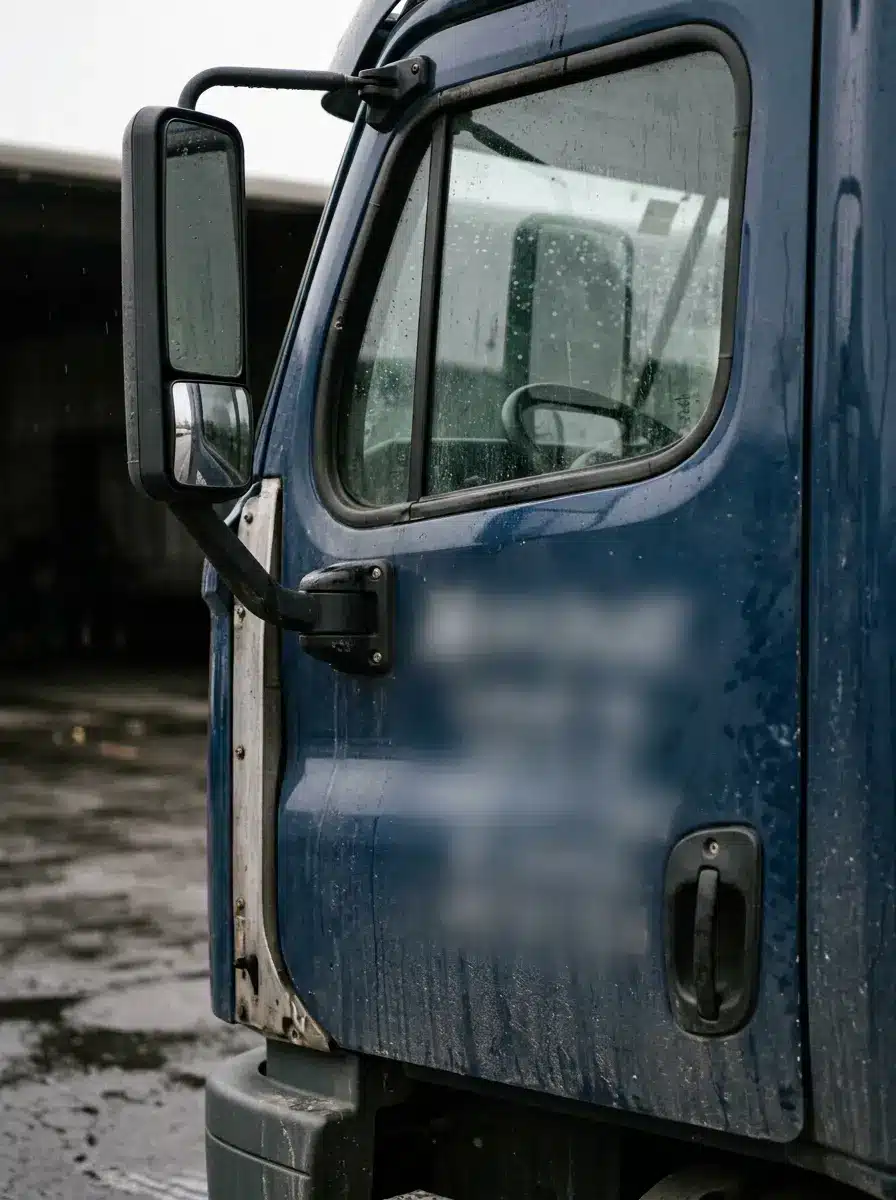
The Motor Carrier
The motor carrier is the company operating the truck or responsible for its operation. Its name and USDOT number help us locate federal records, safety information, and available insurance filings.
The Owner Operator
An owner operator may own the tractor but run it under a carrier’s authority. We review the lease, dispatch records, and trip documents to determine which company controlled the truck during your crash.
The Freight Broker
A broker arranges transportation between the shipper and carrier. We investigate whether the broker selected or retained an unsafe carrier, or played another role in the trip.
The Shipper and Loading Company
The shipper may set delivery requirements or control the cargo. The loading company may be responsible for how freight was loaded, balanced, or secured before the truck left.
The company on the truck door may not be the only responsible party. We trace the trip through the truck, trailer, cargo, and shipping documents to identify each business that may have contributed to your injuries.
Trace the Carrier Through Truck and Shipping Records
The crash report, truck markings, and federal records help us identify the carrier and the businesses connected to the trip. We use the company name, USDOT number, MC number, license plate, and trailer number to confirm the carrier and begin tracing the trip.
| Record | What it helps us find |
|---|---|
| Texas CR 3 crash report | The driver, carrier information, truck and trailer details, and the parties identified at the scene |
| USDOT number | The carrier’s registration, operating information, inspection history, crash data, and safety record |
| MC number | Federal operating authority and related licensing and insurance information, when authority is required |
| Truck and trailer markings | The operating carrier, equipment owner, trailer owner, and possible lease arrangement |
| Bill of lading and rate confirmation | The broker, shipper, consignee, cargo, and load instructions |
Together, these records identify the carrier, show who arranged the load, and point us to the companies that may hold business records or coverage. The FMCSA Company Snapshot lets us search by USDOT number, MC number, or company name, and we verify every record because the company on the crash report may not be the only business involved.
Prove Carrier Control When Drivers Are Called Contractors
A trucking company may call the driver an independent contractor. That label does not end our investigation.
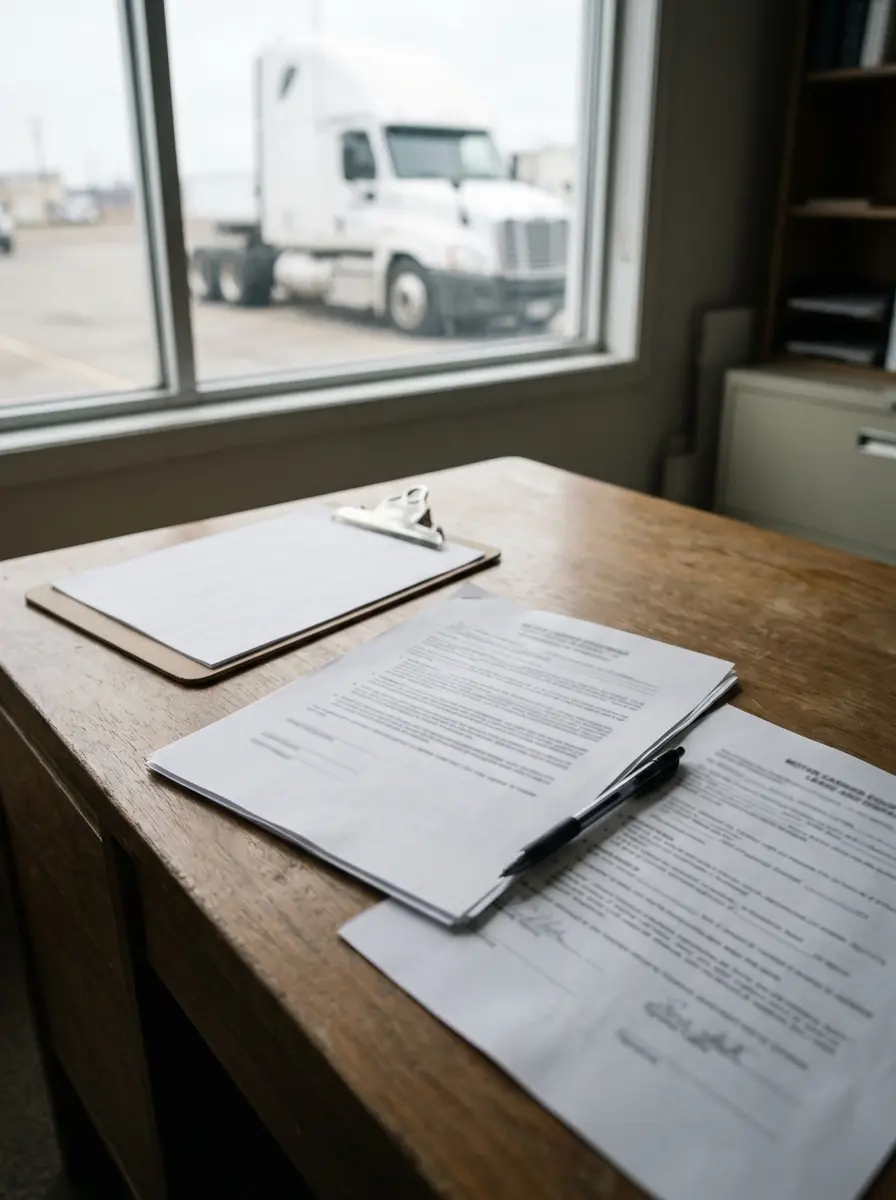
Records We Review
We review the records that show which company controlled the equipment and assigned the trip.
- The written equipment lease
- Equipment possession receipts
- Dispatch and trip assignment records
- Payment records
- Carrier communications
- Truck and trailer markings
Federal safety rules include independent contractor drivers within the definition of “employee” for safety compliance purposes. That does not automatically establish liability under Texas law, but it prevents the carrier from using a contractor label as the end of the inquiry.
Hold Brokers, Shippers, and Loaders Accountable for Their Decisions
A broker, shipper, or loading company may be relevant even if it did not own the truck. We examine who selected the carrier, set delivery requirements, provided cargo information, or controlled the loading process.
| Company | What we investigate | Key evidence |
|---|---|---|
| Freight broker | Carrier selection, retention, dispatch, and communications | Broker carrier agreement, rate confirmation, safety records, and messages |
| Shipper | Delivery demands, cargo information, carrier selection, and control over loading | Bill of lading, shipping instructions, contracts, and dispatch records |
| Loading company | Who handled the cargo before the truck left, and who documented or controlled the loading process | Loading records, weight tickets, shipping instructions, and warehouse communications |
A broker arranges transportation between the shipper and authorized motor carrier; it generally does not operate the truck. Still, we investigate whether its own decisions created or increased the risk of a crash.
Where the load is at issue, we trace the paperwork back to whoever selected, documented, loaded, or controlled the freight, and we name that business alongside the carrier.

We Can Start Identifying the Companies Today. You do not need every record before you call us. We can begin with the crash report, truck markings, photographs, and the information you remember from the scene.
Find Coverage Across the Commercial Transportation Chain
We trace the carrier’s operating status, available policies, federal financial responsibility filings, and the coverage held by each company involved in the trip.
| Company | Coverage we investigate |
|---|---|
| Motor carrier | Commercial auto liability, excess or umbrella coverage, federal filings, and MCS 90 endorsement |
| Owner operator | Commercial auto, non trucking or bobtail coverage, and coverage available through the carrier |
| Freight broker | Professional liability, contingent liability, commercial general liability, and other applicable coverage |
| Shipper or loader | Commercial general liability, commercial auto, warehouse, cargo, and umbrella coverage |
A for hire carrier transports property or passengers for compensation and may need MC operating authority for interstate operations. A private carrier moves its own goods as part of its business. An exempt or intrastate carrier may face different authority requirements, but it can still have safety obligations, insurance, and records that matter to your claim.
For many for hire carriers hauling nonhazardous property in interstate commerce, the federal minimum financial responsibility requirement is $750,000. Higher limits can apply to certain oil, hazardous material, and hazardous waste operations.
An MCS 90 is an endorsement connected to certain motor carrier liability policies. It is important evidence of federal financial responsibility, but it does not automatically establish coverage for every truck, company, or crash.
Preserve the Business Records That Establish Responsibility
The motor carrier, broker, shipper, and loading company may control the records that show who arranged, directed, loaded, insured, or operated the trip. We send preservation notices for the business records needed to identify each company’s role.
| Preserve | Why it belongs here |
|---|---|
| Equipment leases and possession receipts | Establishes the carrier and owner operator relationship |
| Broker agreements and rate confirmations | Identifies who arranged the transportation |
| Bills of lading and shipping instructions | Identifies the cargo chain and delivery requirements |
| Loading records and weight tickets | Identifies who handled or documented the cargo |
| Dispatch, payment, and carrier communications | Shows who assigned or controlled the trip |
| Policies, endorsements, and cancellation records | Identifies possible coverage |
For truck data, video, driver logs, damaged parts, tire condition, brakes, and other crash evidence, see our 18 wheeler accident lawyers page.
Build Texas Claims Against the Trucking Company
Texas law may allow claims against a trucking company for the driver’s conduct and for the company’s own hiring, training, supervision, entrustment, or safety decisions.
| Claim or issue | What we investigate |
|---|---|
| Course and scope | Whether the driver was working for the company and acting within the scope of that work |
| Control | Who assigned the trip, set the schedule, directed the driver, maintained the truck, and could remove the driver from service |
| Negligent hiring | Whether the company hired a driver it knew, or should have known, was unsafe or unfit |
| Negligent training, retention, or supervision | Whether the company failed to train, monitor, retrain, or remove a driver who created an unreasonable risk |
| Negligent entrustment | Whether the company entrusted a truck to an unlicensed, incompetent, or reckless driver |
A company can face direct claims based on its own conduct, separate from any claim based on the driver’s actions. Negligent entrustment, for example, focuses on whether the owner entrusted the vehicle to an unlicensed, incompetent, or reckless driver and whether that decision contributed to the crash.
We look past contract labels. The practical question is what the company knew, what it controlled, and what it should have done before your crash.
Questions About Suing a Trucking Company
Talk to an attorney today
Bring us the crash date and any photographs of the truck. The first thing we check is which company was operating it.
469-807-7480The driver says he is an independent contractor. What now?
An independent contractor label does not end the investigation. If the driver operated under a motor carrier’s authority, we review the lease, dispatch records, truck markings, and trip documents to determine what the carrier controlled. Federal safety rules also include independent contractor drivers within the definition of “employee” for safety compliance purposes.
Do I sue the driver or the trucking company?
We investigate both, along with the owner operator, trailer owner, broker, shipper, loading company, and any other business involved in the trip. The right parties depend on who controlled the truck, driver, cargo, schedule, and safety decisions.
What is a USDOT number, and why do you need it?
A USDOT number identifies a motor carrier registered with FMCSA. We use it to locate carrier registration information, operating details, inspection history, crash data, and available federal records.
What is an MCS 90 endorsement?
An MCS 90 is a federal endorsement that may apply to a motor carrier’s liability policy. It can be important evidence of federally required financial responsibility, but it does not automatically establish coverage for every crash or every company involved.
Can a freight broker be responsible?
Sometimes. A broker arranges transportation but generally does not operate the truck. We investigate whether its carrier selection, retention, dispatch, or other decisions contributed to your crash.
What if the trucking company has only one truck?
The company’s size does not end the investigation. We identify its insurance, federal filings, truck ownership, lease arrangement, and any other company involved in operating the truck or moving the load.
The truck never left Texas. Do federal rules still matter?
They may. Texas applies motor carrier safety requirements to many intrastate commercial operations. We determine which state and federal rules apply to the truck, carrier, cargo, and trip involved in your crash.
What should I do right now?
If you can do so safely, save photographs of the truck, trailer, company name, USDOT number, MC number, license plates, debris, cargo, and crash scene. Then contact us promptly so we can identify the companies involved and send preservation notices before evidence is lost.
A word from our founder
Marine Veteran and Texas Trial Lawyer
Before founding J. Alexander Law, our managing attorney worked more than ten years on the defense side, representing trucking companies and their insurers. That’s the same experience behind our approach to handling the trucking company’s insurer, and it’s why every truck case here starts with locking down evidence instead of waiting to see what the other side produces.
The trucking company is already protecting its driver’s records within hours of the crash. The whole case comes down to who locks down the data first. My job is to make sure we’re first, and you can rest as we work.

Free consultation
We Will Identify the Companies Behind Your Truck Crash.
The trucking company may already be protecting its records, driver, truck, and insurance information. We can begin investigating the carrier, truck owner, broker, shipper, loading company, and available coverage.
- No attorney’s fees unless we recover compensation for you
Attorney Advertising. J. Alexander Law Firm, PC, principal office 12801 N. Central Expressway, Suite 1100, Dallas, TX 75243. Prior results do not guarantee or predict a similar outcome. This page provides general information about Texas law and is not legal advice about your situation. Reviewing this page or contacting the firm does not create an attorney client relationship. Statutes and regulations cited are described in general terms and may have exceptions, conditions, and deadlines that apply differently to your facts. Se habla espanol.