


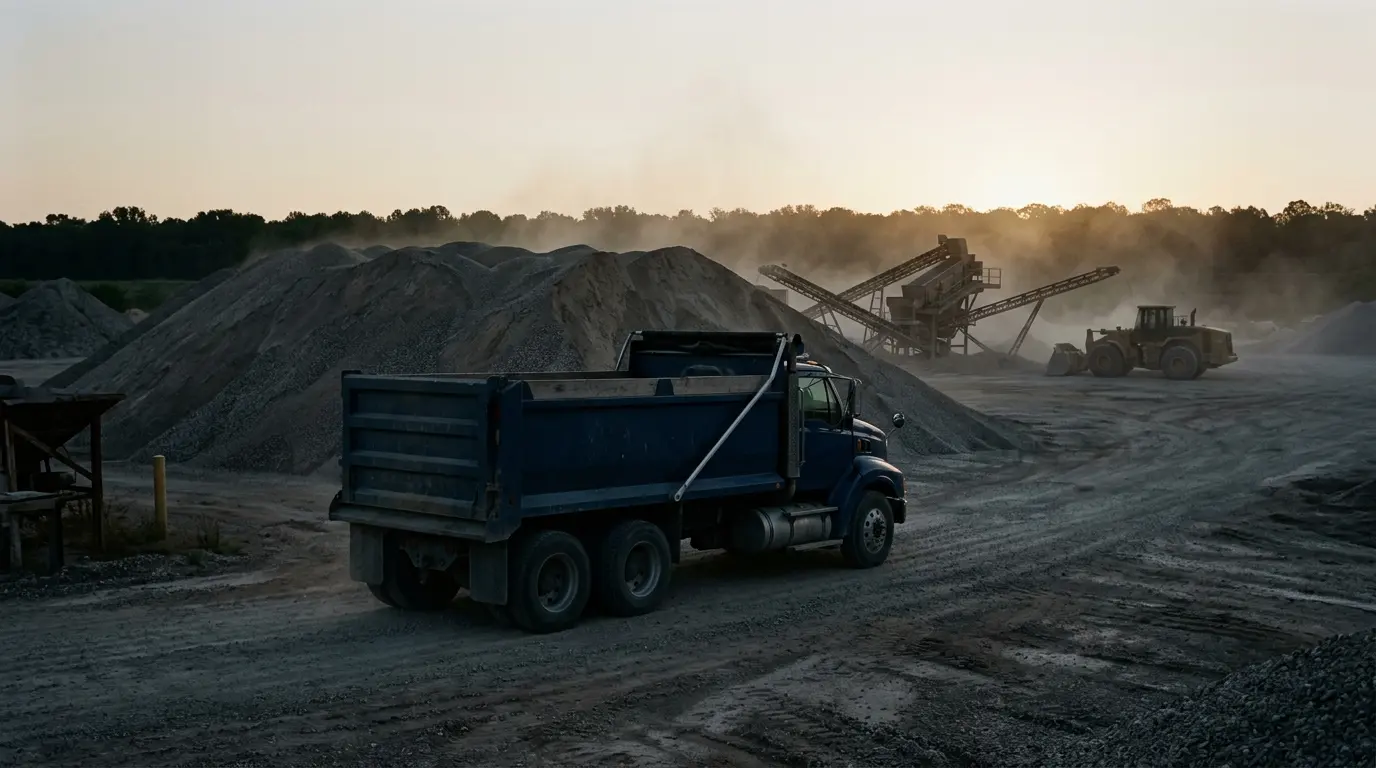
Texas Dump Truck Accident Lawyers
A dump truck crash may begin before the driver reaches the road. The quarry, pit, batch plant, or jobsite that loaded the bed may have set the weight, issued the ticket, and released a truck carrying loose material, an uneven load, or equipment that could not safely contain it.
J. Alexander Law Firm steps in to find out who caused that risk and preserve the proof before it disappears. We identify the companies involved, demand the truck, tailgate, tarp, loading ticket, repair records, and delivery documents be preserved, then use that evidence to build your claim against the businesses whose decisions contributed to your injuries.
You do not have to track down the quarry, find the ticket, or argue with the trucking company yourself. We handle the investigation, identify the responsible parties, and pursue the compensation available for your medical care, lost income, and other crash related losses.
- $100M+
Recovered for Texas Clients
- 75+
Years of Combined Attorney Experience
- 568+
Google Reviews
- 5
Years of Super Lawyers Rising Star Recognition
 Dallas Stars
 Sporting United
 Super Lawyers Rising Stars
 Multi Million Dollar Advocates Forum
 Million Dollar Advocates Forum
 Texas Trial Lawyers Association
Past results do not guarantee a similar outcome. Attorney recognitions and ratings do not guarantee future results.
Building the Case From the Load and Scale Ticket
A dump truck can arrive at the road already carrying the problem. Rock, sand, gravel, spoil, concrete, and other material may have been loaded at a quarry, pit, batch plant, or jobsite by a company that never appears on the truck door.
The loading site may have weighed the truck, printed the ticket, set the delivery time, and kept records of what went into the bed. Those records can show what the truck carried, where it came from, and which companies were involved before the driver pulled onto the road.
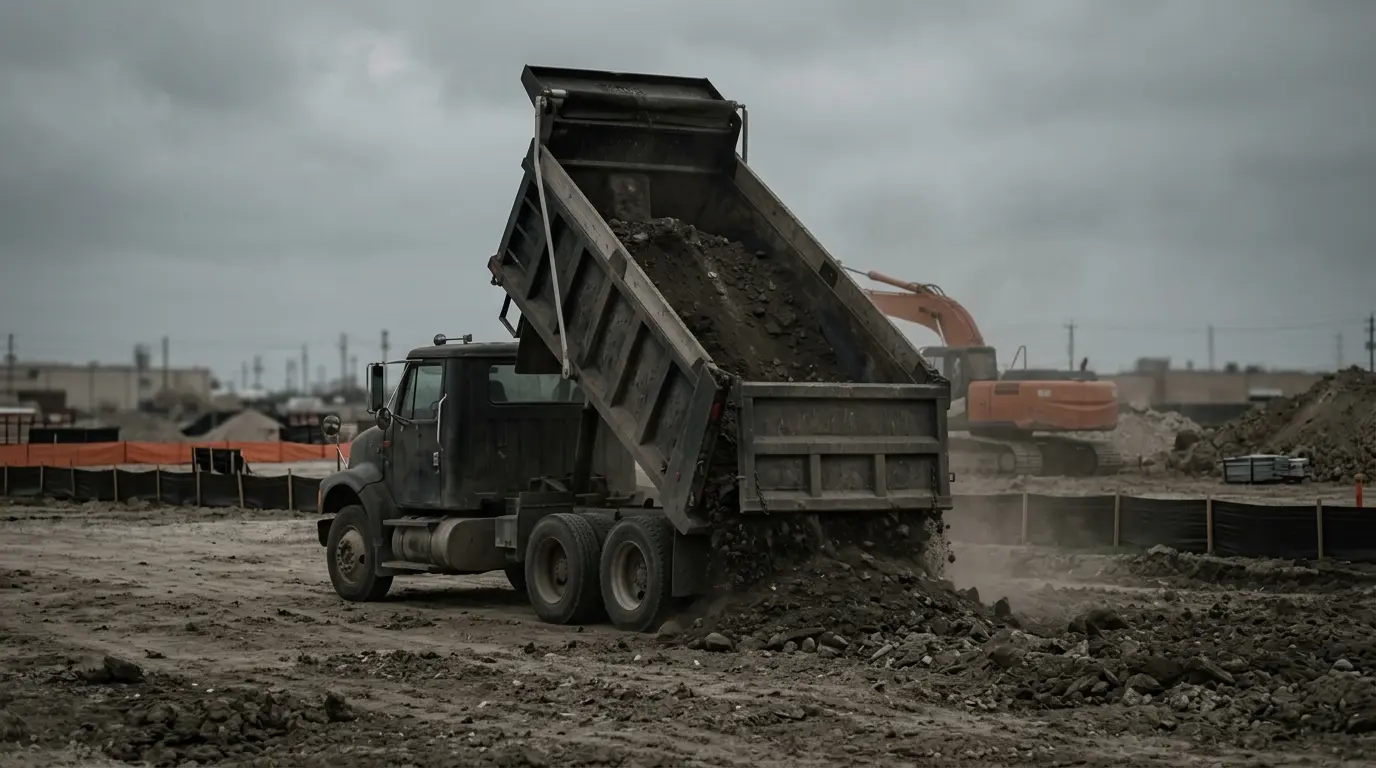
The Load Can Escape
Rock, sand, gravel, and spoil do not stay in place by themselves. A missing tarp, loose tailgate, split bed seam, or opening in the bed can allow material to leave the truck and create a road hazard.
Another Company May Have Loaded It
The hauler may not have loaded the truck. A quarry, pit, batch plant, or jobsite may have filled the bed and created the ticket showing the material, weight, time, and destination.
The Truck May Be Repaired Immediately
Dump trucks are working equipment. A damaged latch can be replaced, a tarp can be repaired, and a cracked bed can be patched before the condition that caused the failure is documented.
Weight Changes How the Truck Handles
A loaded bed carries weight high above the road. Too much material, an uneven load, or a raised bed can make turns, ramps, site entrances, and uneven ground more dangerous.
The crash report may identify the driver, but the ticket and loading records can identify the companies behind the load. We preserve that evidence, trace each company’s role, and pursue the compensation your claim requires.
 Josh Alexander
Founder and Managing Attorney
Josh Alexander
Founder and Managing Attorney
Proving Why Material Came Out of the Truck Bed
A rock, gravel, sand, or debris strike is not simply an unavoidable road hazard. The question is whether the truck was equipped and maintained to keep its load inside the bed.
| What matters | What it can show | How it is checked |
|---|---|---|
| The cargo compartment | Holes, gaps, damaged seams, or other openings | Photographs, inspection, repair records, and maintenance history |
| The tailgate | Whether it could remain closed under load | Latch condition, pins, hinges, scene photographs, and repair records |
| The cover or tarp | Whether loose material could blow or spill from the bed | Tarp equipment, cover condition, driver records, and photographs |
| The escaped material | What fell and how it likely left the truck | Debris, scene evidence, witness accounts, video, and loading records |

Finding Out Whether the Dump Truck Was Overloaded
The scale ticket is often the cleanest record in a dump truck case. It can show the material loaded into the truck, the weight, the loading time, the source, and sometimes the delivery destination.
Excess weight does more than create a citation issue. It can affect stopping, brake demand, turning, stability, and the force of a crash.
More Weight Means More Stopping Demand
A heavier truck carries more momentum. The brakes have to manage that additional force before the truck reaches the vehicle, intersection, or work zone ahead.
More Weight Can Increase Wear
A truck run heavy day after day places added demand on its brakes, tires, suspension, and other components. Maintenance records can show whether the company had reason to know those parts needed attention.
High Weight Can Affect Stability
Material in a dump bed sits above the road and behind the cab. A heavy or uneven load can make the truck less stable on ramps, turns, uneven surfaces, and site entrances.
Texas weight limits generally restrict single axles to 20,000 pounds and tandem axles to 34,000 pounds, including enforcement tolerances. Certain groups of consecutive axles are generally limited to 80,000 pounds, though permits, truck configuration, road limits, and other exceptions can affect the final analysis.
The ticket has to be compared with the truck’s axle configuration, material, route, and loading arrangement. The quarry, pit, batch plant, hauler, contractor, or customer may each have a copy, which is why the request cannot stop with the driver.
Single axle
20,000 lbGeneral Texas limit, including enforcement tolerances
Tandem axles
34,000 lbGeneral Texas limit, including enforcement tolerances
Certain axle groups
80,000 lbTwo or more consecutive axles, subject to exceptions
Using Batch Tickets After a Concrete Mixer Rollover
A concrete mixer carries a different kind of load. Wet concrete is heavy, mounted high on the truck, and capable of moving inside the drum after the driver begins or finishes a turn.
The batch ticket may show when the concrete was mixed, how much was loaded, where it was supposed to go, and whether the truck was running against a delivery deadline. People may call the vehicle a cement truck, concrete truck, or mixer truck; the relevant evidence is usually the same.
The Drum Carries Weight High on the Truck
Several tons of wet concrete ride above the axles. That height can make ramps, curves, uneven roads, and abrupt steering corrections less forgiving.
The Load Can Continue Moving
Concrete can shift inside the drum as the truck turns or corrects course. That movement may affect stability differently than material carried in a dump bed.
Delivery Timing Can Matter
Concrete must be delivered and placed while it remains workable. The batch ticket and delivery records can show when the load was mixed, dispatched, delayed, or expected at the site.
Several Companies May Hold Key Records
The batch plant knows what it mixed. The hauler knows who drove it. The jobsite may have set the delivery time and route into the site. Putting those records together can show how the trip was planned before the rollover.
Explaining Why the Loaded Dump Truck Rolled Over
A loaded dump truck or mixer can become unstable during a turn, ramp, uneven surface, raised bed operation, or sudden maneuver. The crash scene shows where the truck ended up; the load, ticket, truck configuration, roadway, and site conditions can explain why it became unstable.
| What happened | What may have contributed | What may remain |
|---|---|---|
| Truck tipped during a turn | High or uneven load, speed, road geometry, surface condition, or steering path | Tire marks, gouges, debris, video, scene measurements, and loading ticket |
| Raised bed rollover | Hoist operation, ground angle, bed position, and load distribution | Bed position, hoist condition, photographs, inspection records, and repair history |
| Mixer rollover | Concrete amount, drum movement, route, delivery timing, and turn geometry | Batch ticket, route records, scene evidence, video, and company communications |
A rollover can begin before the driver reaches the turn. The loading decision, amount of material, truck configuration, delivery schedule, site entrance, and road design can all matter.
When more than one company contributed to the crash, Texas can assign each liable party a percentage of responsibility. That makes it important to identify the loading site, hauler, contractor, equipment owner, and other companies while their records are still available.
Identifying Everyone Responsible for the Load
The truck door usually identifies only one part of the operation. A dump truck trip can involve the hauling company, equipment owner, quarry, pit, batch plant, contractor, customer, and jobsite.
Each company may hold a different part of the case. One may have loaded the material, another weighed it, another assigned the driver, and another decided when and where the truck had to arrive.
| Company | What it may control | Records that may matter |
|---|---|---|
| Hauling company | Driver, route, dispatch, maintenance, and truck operation | Dispatch records, maintenance files, trip records, policies, and communications |
| Quarry, pit, or batch plant | Material, loading, weighing, and ticketing | Scale tickets, batch tickets, loading records, video, and communications |
| Jobsite or contractor | Delivery timing, site access, traffic control, and unloading location | Site plans, delivery instructions, traffic control records, and communications |
| Equipment owner | Bed, tailgate, tarp, hoist, drum, or related components | Lease, inspection, maintenance, and repair records |
Finding the Truck That Dropped the Material
A dump truck does not have to strike your vehicle for its load to cause a serious crash. A rock through a windshield, gravel in the roadway, or debris that forces a driver to swerve can cause major injuries after the truck has already disappeared.
The first problem is identification. The driver may not know material fell, and the truck may be miles away by the time anyone calls 911.
The search starts with the road: the time, location, direction of travel, nearby cameras, construction sites, quarries, plants, delivery schedules, and routes used by trucks carrying that material. The debris can narrow the search when considered with the rest of the scene evidence.
When a Dump Truck Pulls Into Traffic From a Jobsite
A dump truck leaving a jobsite moves from a controlled work area into active traffic. That transition can be dangerous when the truck is loaded, crossing lanes, turning wide, leaving through a narrow entrance, or moving where approaching drivers cannot see it.
The driver may not be the only person who created that risk. The contractor, site operator, traffic control company, or hauling company may have controlled the truck route, flagging, signage, work zone layout, or delivery timing.
Signage and Flagging
Traffic control plans, flagger records, site photographs, and communications can show whether warnings were in place and whether someone was responsible for directing traffic.
Sight Distance
A truck can be hidden by equipment, fencing, parked vehicles, stockpiled material, or the geometry of the driveway. What an approaching driver could actually see can matter more than what a site plan says should have been visible.
Lane Tapers and Merges
Lane closures and work zone merges are designed conditions. The placement of cones, signs, barriers, and merge points can be measured against the traffic pattern that existed on the day of the crash.
Preserving the Truck Before Repairs Destroy Evidence
Dump truck evidence can disappear in a repair bay. A broken latch can be replaced, a torn tarp can be changed, a cracked bed can be welded, and a damaged hoist can be serviced before the condition that existed during the crash is documented.
The truck itself can show how material escaped or why the vehicle became unstable. Once repairs are complete, the company may argue that no one can know what the truck looked like before the work was done.
The Tailgate and Latch
Pins, hinges, latches, and closing mechanisms must hold the tailgate under load. Missing, worn, bent, or damaged parts can explain how material released unexpectedly.
The Bed and Its Seams
A bed with holes, cracks, rust, split seams, or worn panels may not contain loose material safely. Repairs after the crash can erase the condition that existed on the road.
The Cover or Tarp System
The key questions are simple: did the truck have a cover, did it work, and was it capable of being secured over the load?
The Hoist or Mixer Mount
A dump bed hoist or mixer drum mount can matter in a rollover, raised bed event, or equipment failure claim. Inspection and maintenance records can show what the company knew before the crash.
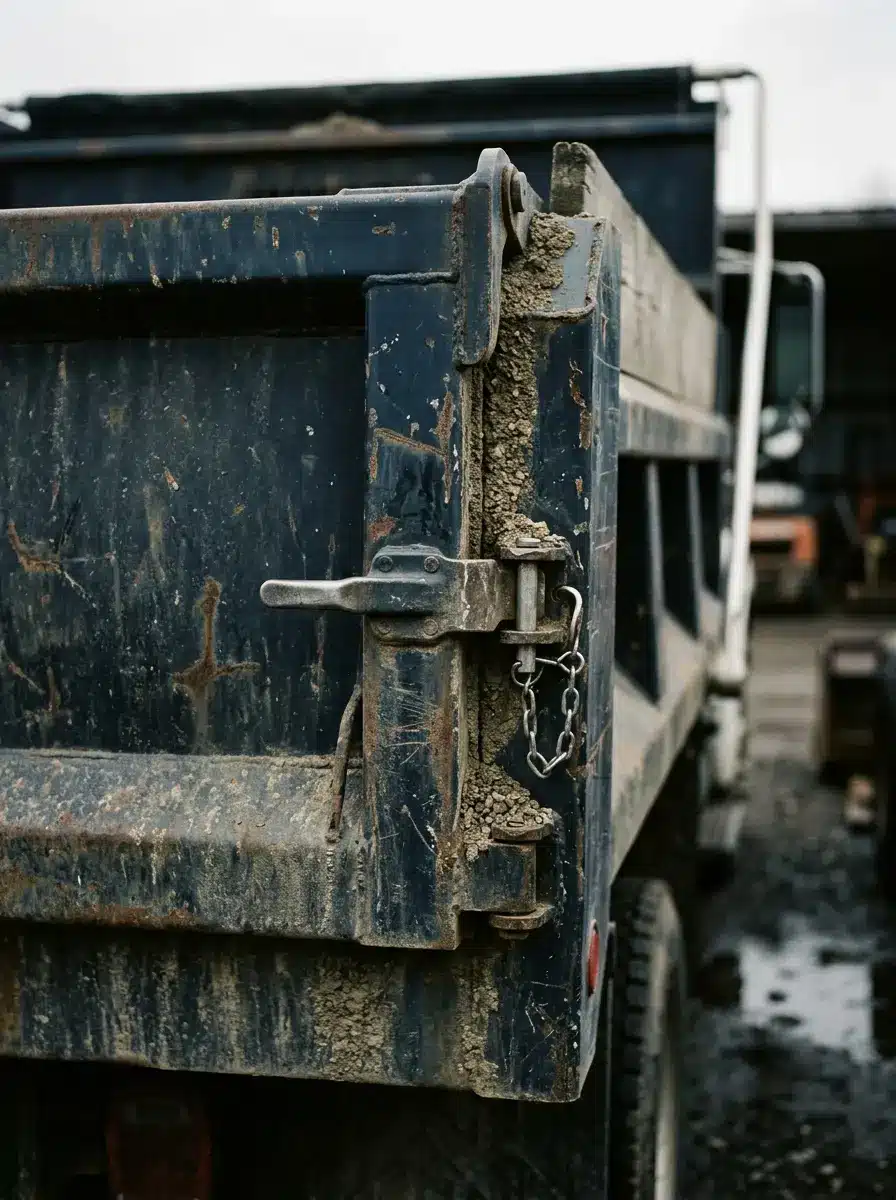
A prompt preservation demand can protect the truck, its components, maintenance history, and repair records before they change.
When a City or County Dump Truck Caused the Crash
A city, county, or state agency may operate its own dump trucks, or the work may involve a contractor operating on its behalf. Either way, the government marking on the truck can change the timeline immediately.
Government claims may involve written notice requirements measured in months rather than years. They can also involve statutory limits and different rules from those that apply to private companies. Texas Tort Claims Act notice is generally due within six months, though a local charter or ordinance may impose a shorter deadline.
| What changes | Why it matters |
|---|---|
| Notice deadline | Written notice may be required within months |
| Recovery limits | Statutory caps may apply to the government entity |
| Private companies | Contractors, haulers, equipment owners, and loading sites may still be involved |
| Local requirements | A city may have a shorter notice rule than the general state deadline |
A government name on the truck does not end the investigation. It may be the first clue that both public and private entities need to be identified quickly.
Other Parts of Your Truck Accident Claim
The load, ticket, tailgate, loading site, and falling material are the parts of a dump truck claim that belong on this page. Other issues may need their own deeper analysis.
Deadlines, Damages, and the Claim Process
For the overall filing deadline, medical damages, lost income, fault, and claim process, see our Texas truck accident lawyers page.
Carrier Authority and Insurance
For motor carrier authority, owner operator arrangements, brokers, shippers, and available coverage, see our commercial truck accident lawyers page.
Tractor Trailer Evidence
For black box data, tire failures, brakes, jackknife crashes, underride, blind spots, and other tractor trailer evidence, see our 18 wheeler accident lawyers page.
Case Value
For the factors that can affect settlement value and recoverable damages, see average truck accident lawsuit value in Texas.
Questions After a Dump Truck Crash
Talk to an attorney today
Tell us what the truck was carrying and where it came from. That is usually enough to start.
469-807-7480A Rock Came Off a Dump Truck and Hit My Car. Is That a Claim?
It may be. Texas law generally requires vehicles carrying loose material on a public highway to prevent the material from escaping by movement, blowing, or spilling.
Keep the material if it is safe to do so. The road, time, direction of travel, debris, photographs, and nearby cameras can help trace the truck after it has left the scene.
The Driver Says the Quarry Loaded the Truck. Does That Matter?
Yes. The quarry, pit, batch plant, or jobsite may have loaded and weighed the truck. Its ticket can identify the material, weight, loading time, destination, and companies involved in the trip.
That does not automatically remove the hauler or driver from the case. It can add another company and another set of records to examine.
How Do I Find Out Whether the Truck Was Overloaded?
The scale ticket is usually the starting point. The loading site, hauler, driver, customer, or contractor may have a copy.
The ticket has to be compared with the truck’s axle configuration, weight limits, route, permits, and material carried. A number by itself does not answer the whole question.
A Cement Truck Rolled Onto My Car. Is That Treated Differently?
The loading chain investigation overlaps with a dump truck claim, but the load behaves differently. Wet concrete moves inside a high mounted drum, so the batch ticket, amount of concrete, turn, route, and delivery timing can all matter.
The Truck Was Back at Work the Next Day. Have I Lost the Case?
No. But the tailgate, latch, bed, tarp, hoist, and repair records may change quickly once the truck returns to service.
Your photographs can still matter. Save images of the truck, bed, tailgate, debris, tarp, company markings, damage, and crash scene.
It Happened at a Construction Site Entrance. Who May Be Responsible?
The hauler may be only one part of the case. The contractor, site operator, traffic control company, loading company, and equipment owner may each have records showing who controlled the truck entry, route, timing, traffic pattern, or sight line.
It Was a County or City Dump Truck. Is That Different?
Yes. A government claim may involve a shorter written notice deadline and statutory limits that do not apply to a private trucking company.
The first step is identifying the agency and protecting notice options while the rest of the investigation continues.
What Should I Do Right Now?
Keep any material that hit you if it is safe to do so. Photograph the truck, bed, tailgate, tarp, company name, USDOT number, license plate, debris, road, and scene.
Then contact us promptly. The truck can be repaired, and the loading ticket or repair records may be lost before an insurer responds.
A Word From Our Founder
Before founding J. Alexander Law, our managing attorney worked more than ten years on the defense side, representing trucking companies and their insurers. That’s the same experience behind our approach to handling the trucking company’s insurer, and it’s why every truck case here starts with locking down evidence instead of waiting to see what the other side produces.
The trucking company is already protecting its driver’s records within hours of the crash. The whole case comes down to who locks down the data first. My job is to make sure we’re first, and you can rest as we work.
Free Consultation
Talk With a Texas Dump Truck Accident Lawyer
The ticket, bed, tailgate, loading site, and material may all change quickly after a crash. Contact J. Alexander Law Firm to discuss what happened and preserve the records and evidence that may matter to your claim.
- No fee until we win
- Bilingual English and Espanol
- 24/7 intake
Attorney Advertising. J. Alexander Law Firm, PC, principal office 12801 N. Central Expressway, Suite 1100, Dallas, TX 75243. Prior results do not guarantee or predict a similar outcome. This page provides general information about Texas law and is not legal advice about your situation. Reviewing this page or contacting the firm does not create an attorney client relationship. Statutes and regulations cited are described in general terms and may have exceptions, conditions, and deadlines that apply differently to your facts. Se habla espanol.