
Total recovery
$105,000
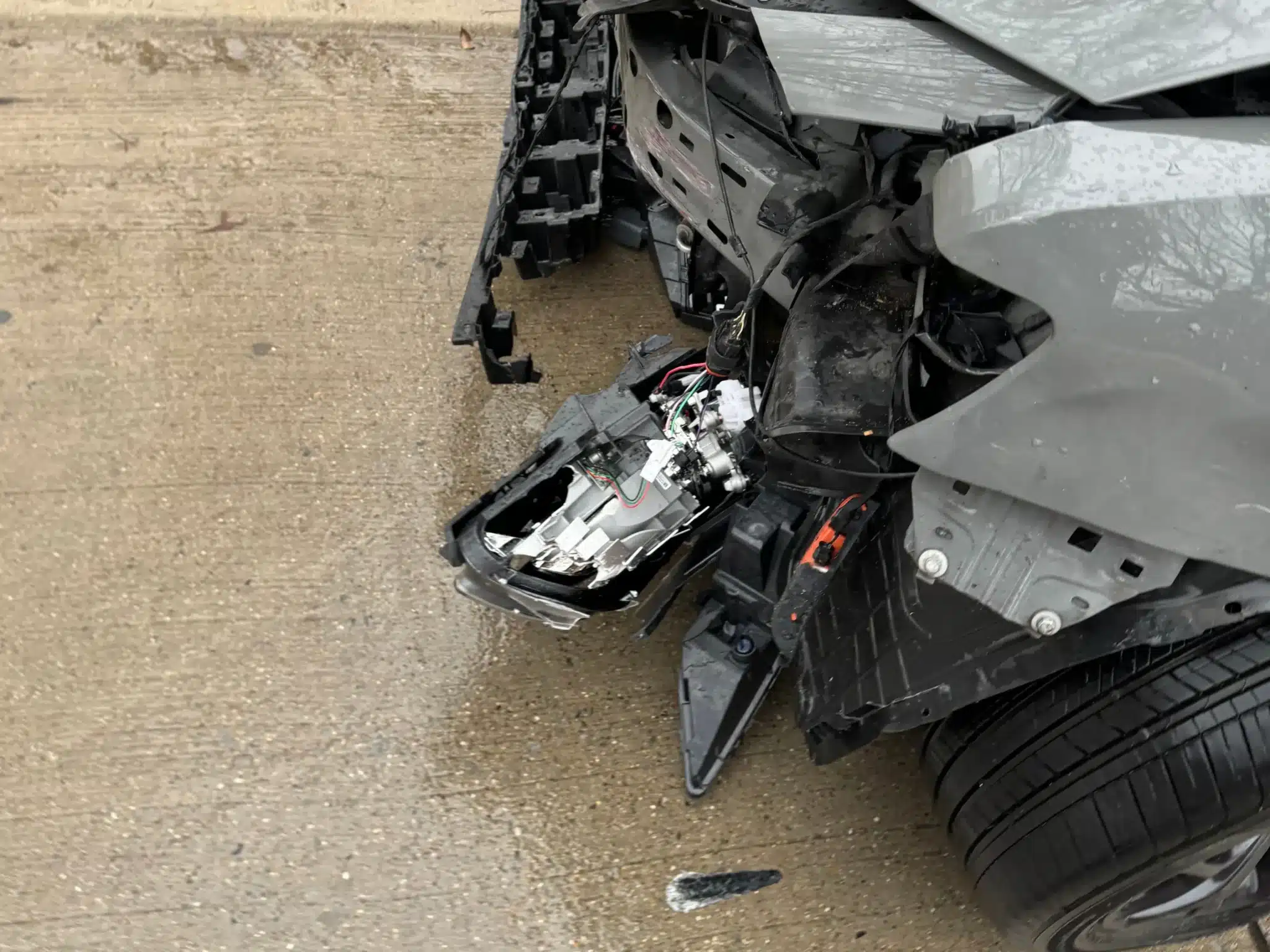
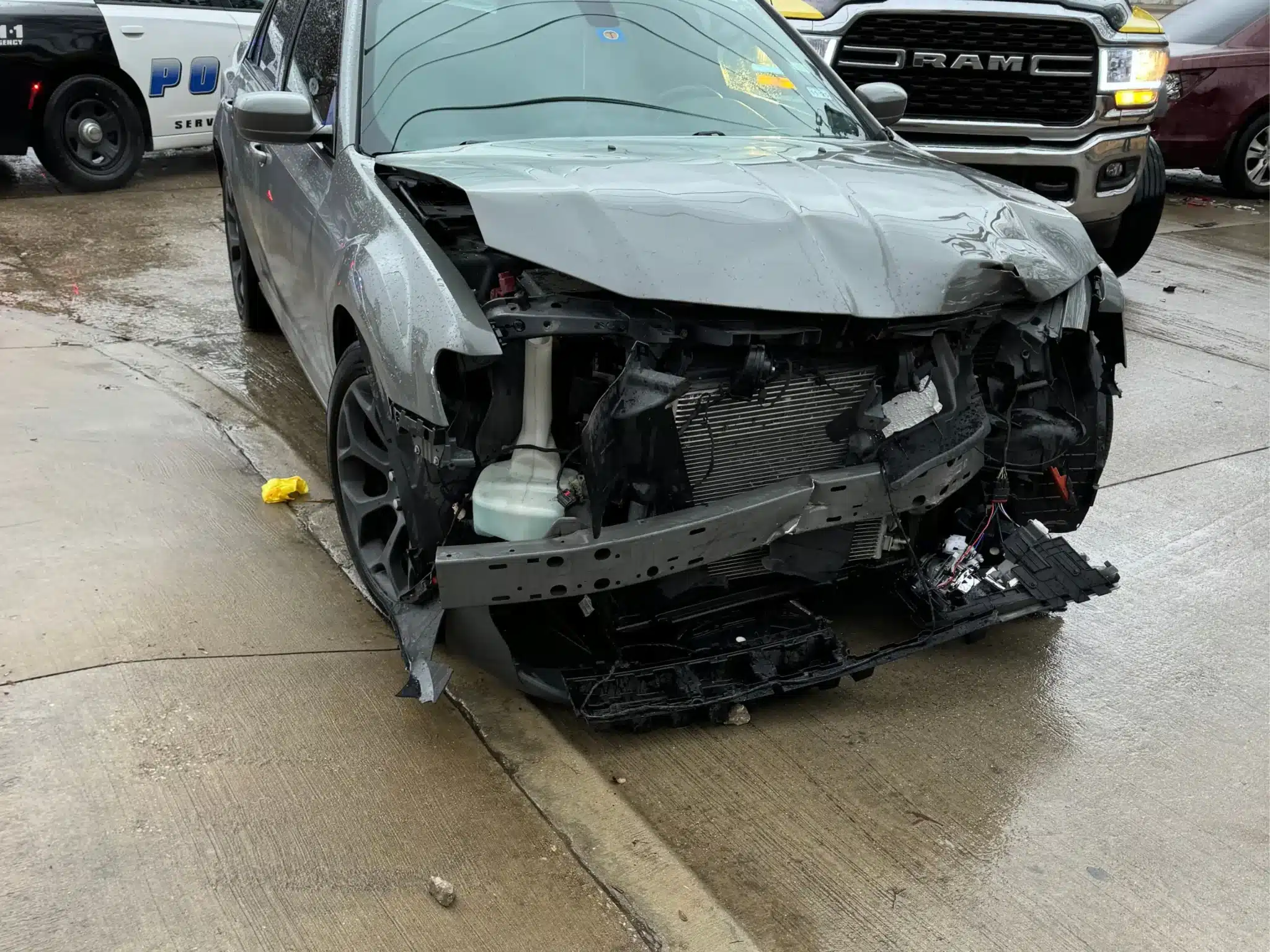
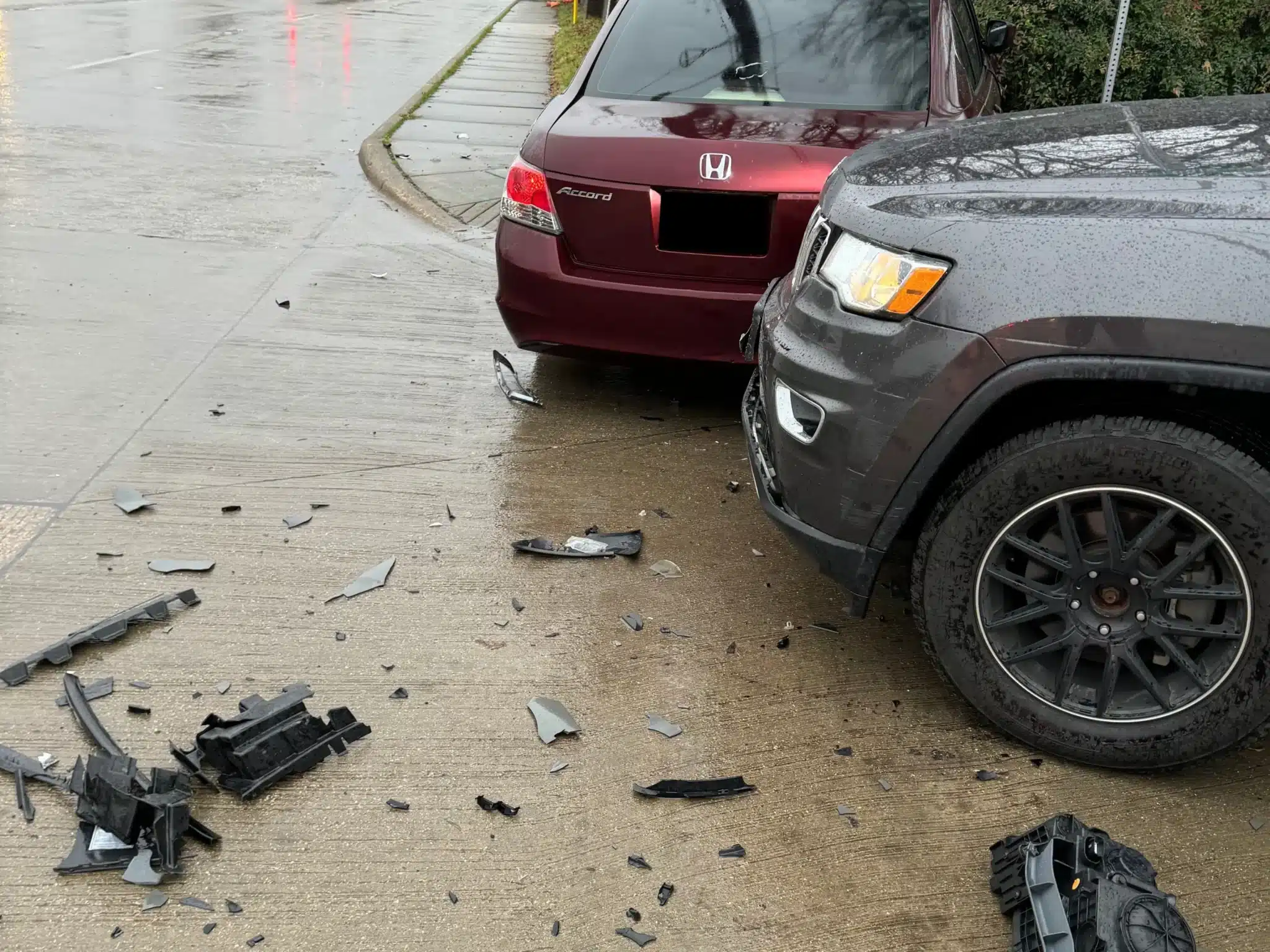
Our client was injured in a three vehicle collision in Dallas after another driver failed to yield the right of way at a stop sign.
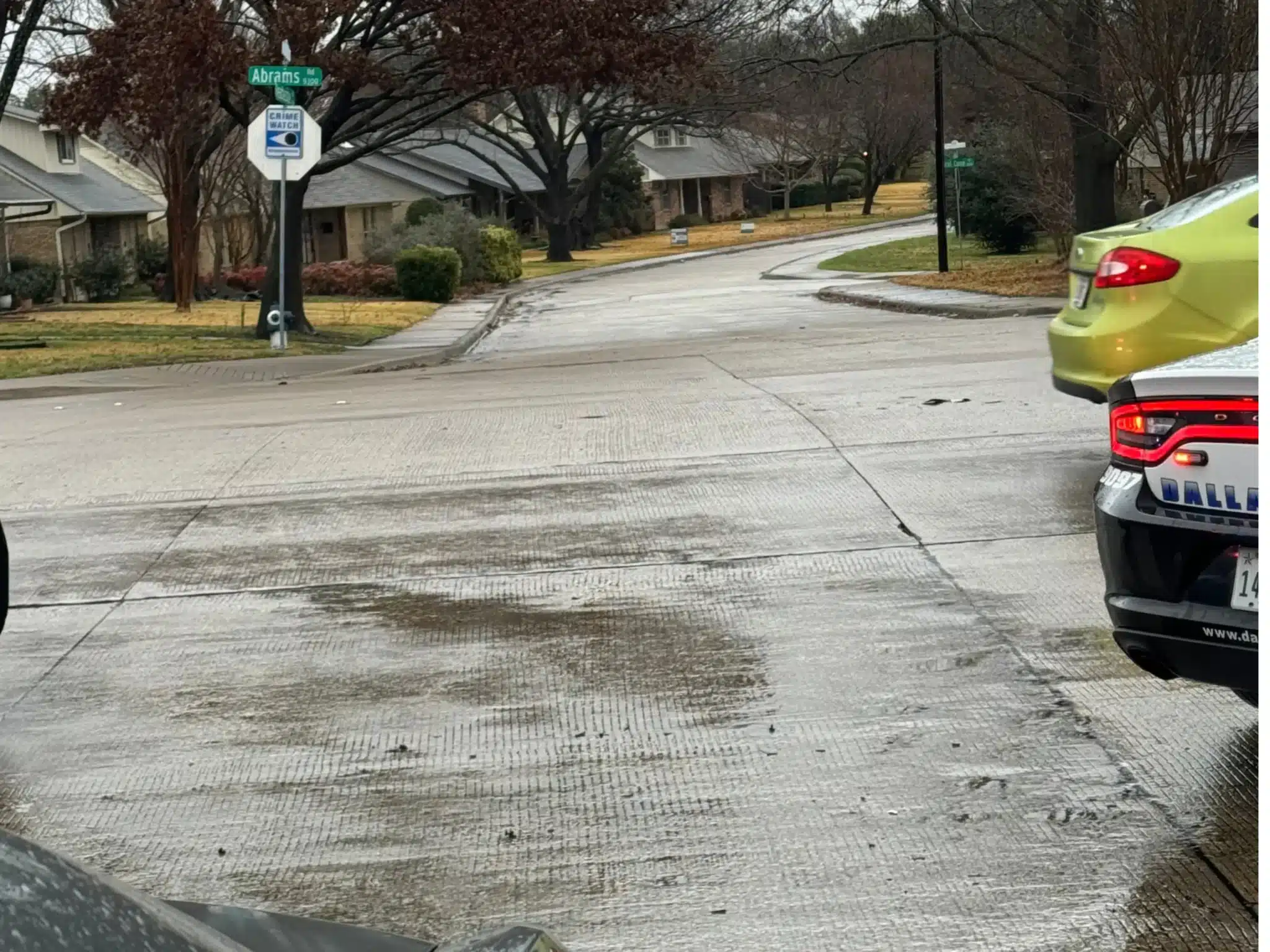
Through detailed case preparation, extensive medical documentation, continued follow up, and aggressive negotiations, we recovered the at fault driver's full $100,000 bodily injury policy limit, plus an additional $5,000 uninsured/underinsured motorist recovery.
The crash occurred at the intersection of Abrams Road and Heatherdale Drive in Dallas, Texas.
According to the official Texas Peace Officer's Crash Report, the at fault driver was traveling toward the intersection from Heatherdale Drive.
The at fault driver entered the intersection and failed to yield the right of way to traffic on Abrams Road.
The police report identified the Honda driver as the contributing driver.
The investigating officer attributed the crash to the Honda driver's failure to yield the right of way.
The report did not identify a contributing factor for the other motorists involved in the collision.
The police narrative and collision diagram supported a clear sequence: a driver failed to yield at a stop sign, caused the first crash, lost control, and then caused a secondary collision with a vehicle that was already stopped at the intersection.
Read the redacted Dallas crash report (PDF)Following the crash, our client experienced pain affecting multiple areas of her body.
Her symptoms included neck pain, chest pain, left arm pain, and pain affecting the entire left side of her body.
She sought prompt medical evaluation at a traditional emergency room after the collision.
While the initial emergency room bill was not the primary factor driving the value of the claim, the emergency visit documented the immediate physical effects of the crash and established the need for continued care.
The client's injuries did not resolve after the initial evaluation.
She required extensive treatment beyond the emergency room visit.
The client had to manage medical appointments, follow provider recommendations, and cope with pain that affected her normal routine.
Her injuries interfered with daily movement, comfort, activities, and quality of life.
The case was not evaluated based only on an initial emergency room bill.
It was developed around the full treatment picture: immediate symptoms, emergency evaluation, imaging, chiropractic care, pain management services, follow up treatment, continuing pain, and the effects of those injuries on the client's everyday life.
The liability evidence in the case was strong.
Even where fault is clear, an insurance company may still attempt to minimize an injured person's damages.
The carrier may focus on the size of the emergency room bill instead of the full course of care.
It may question the need for continued treatment, the duration of symptoms, or the effect injuries had on a person's everyday life.
That is why the legal team treated this as a policy limits case from the outset.
The goal was not simply to send medical bills and accept an early offer.
The goal was to build a complete record showing that the client's damages exceeded the available third party coverage.
The legal team gathered and organized the evidence needed to fully present the claim.
That included the police report, collision narrative, crash diagram, medical records, medical bills, diagnostic imaging documentation, chiropractic records, pain management records, and information showing how the injuries affected the client's daily life.
The legal team also continued to follow up as treatment progressed so the insurance carrier could not evaluate the claim based on an incomplete or outdated medical picture.
The insurance carrier initially made a low verbal settlement offer.
That initial valuation did not adequately account for the strength of liability evidence, the multi vehicle collision, the client's immediate emergency room visit, or the continuing treatment that followed.
The attorney did not accept the low offer.
Instead, the legal team continued working the file, documenting the client's injuries, obtaining supporting medical records and bills, and building the evidence needed to support the full value of the claim.
The attorney countered the insurer's low evaluation and negotiated aggressively.
The case was presented as a complete damages claim, not merely a collection of invoices.
Recovering the full third party policy limit was not the end of the representation.
The client's damages exceeded the coverage available from the at fault driver.
The legal team also pursued available uninsured/underinsured motorist benefits.
That additional effort secured a further $5,000 UM/UIM recovery.
The combined recovery was:
| Source of Recovery | Amount |
|---|---|
| Full third party bodily injury policy limit | $100,000 |
| Additional uninsured/underinsured motorist recovery | $5,000 |
| Total Recovery | $105,000 |
This case demonstrates why an insurer's initial offer should not define the value of an injury claim.
A clear police report finding is important, but a full recovery also requires proof of the client's medical care, symptoms, treatment needs, daily limitations, and the true impact of the collision.
By continuing to develop the case, pursuing the available coverage, rejecting an inadequate early offer, and negotiating from a well supported position, the legal team recovered the full available third party policy limit and additional UM/UIM benefits for the client.

Reviewed by: Josh Alexander, Founder and Managing Attorney
Published: September 22, 2026
Last reviewed: September 22, 2026
If you were injured in a crash caused by another driver, J. Alexander Law can review the facts of your situation.