


Brownsville Rear-End Truck Collision Settlement
$125,000 Settlement After Armored Truck Rear-Ended Brownsville Father and His Sons
A father was driving his pickup with his two sons inside when an armored truck struck them from behind on East 14th Street in Brownsville.
What began as a family drive became a months-long medical and legal process that required each person’s claim to be evaluated individually.
What happened
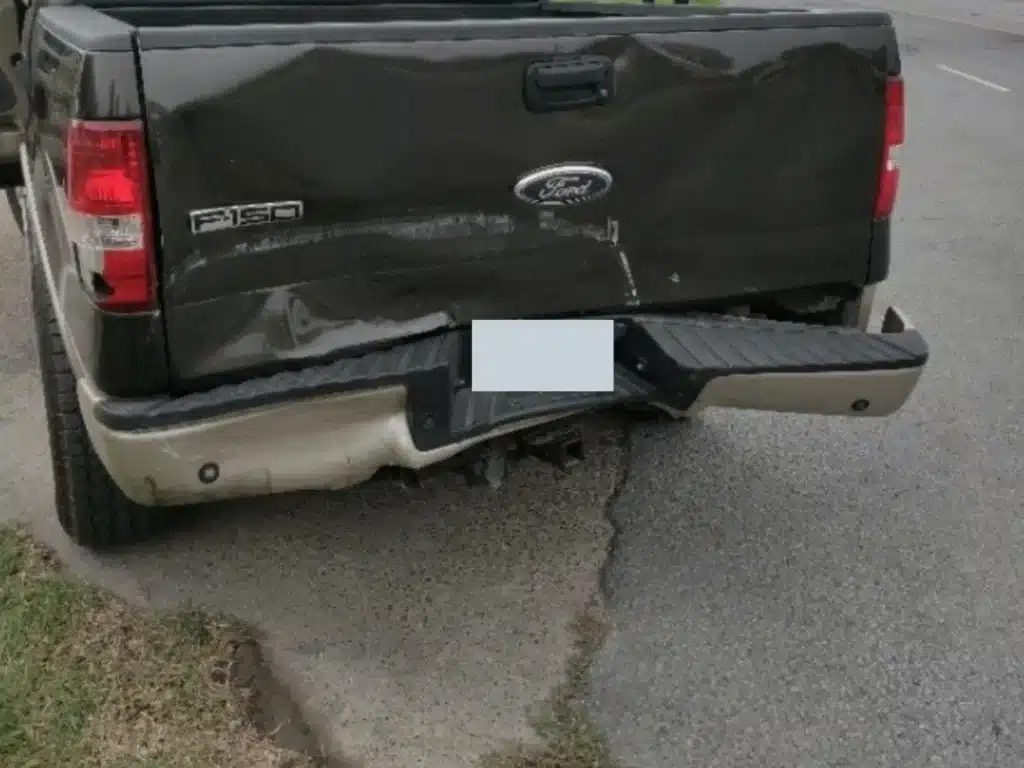
On October 12, 2019, the father was driving northeast in the left lane of the 3600 block of East 14th Street. As he moved toward the left-turn lane, the armored truck behind him failed to control its speed and hit the rear of the family’s Ford F-150.
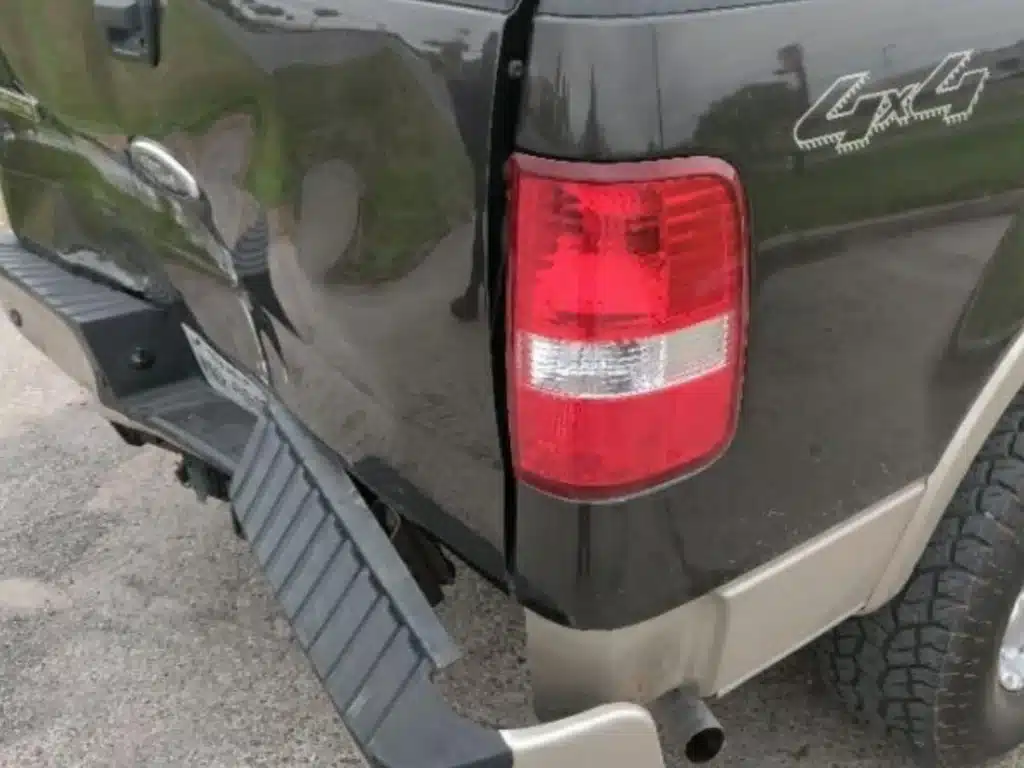
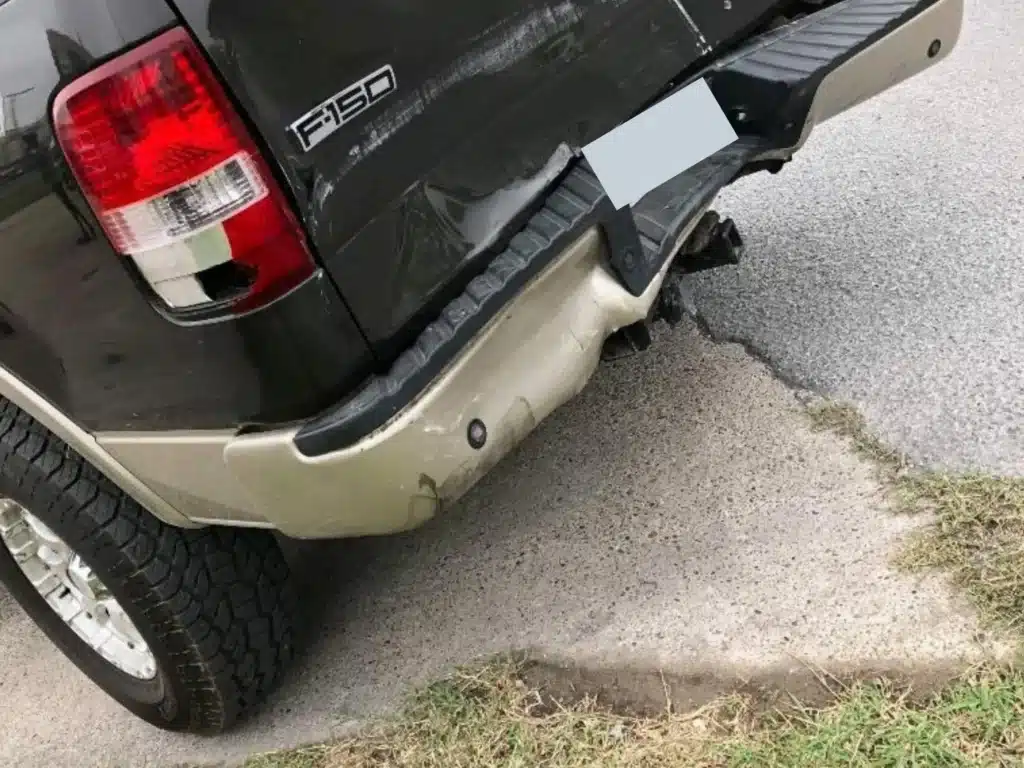
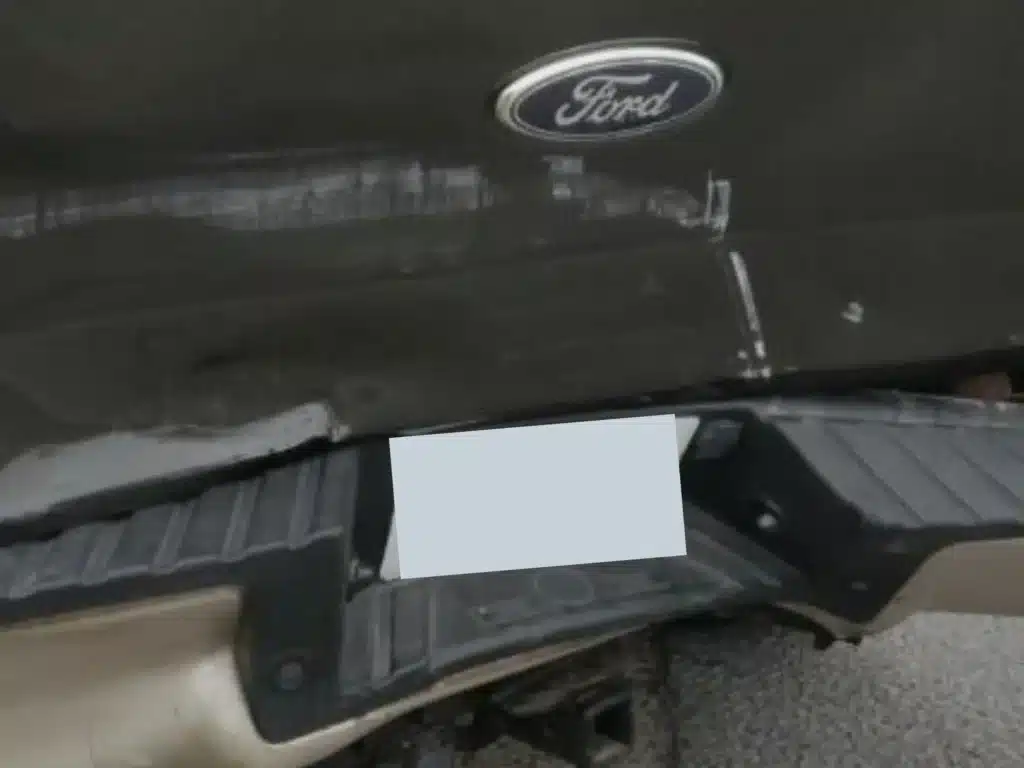
The crash report identified the other vehicle as a Ford Transit owned by Rochester Armored Car Co. The Brownsville officer cited the armored-truck driver for failure to control speed.
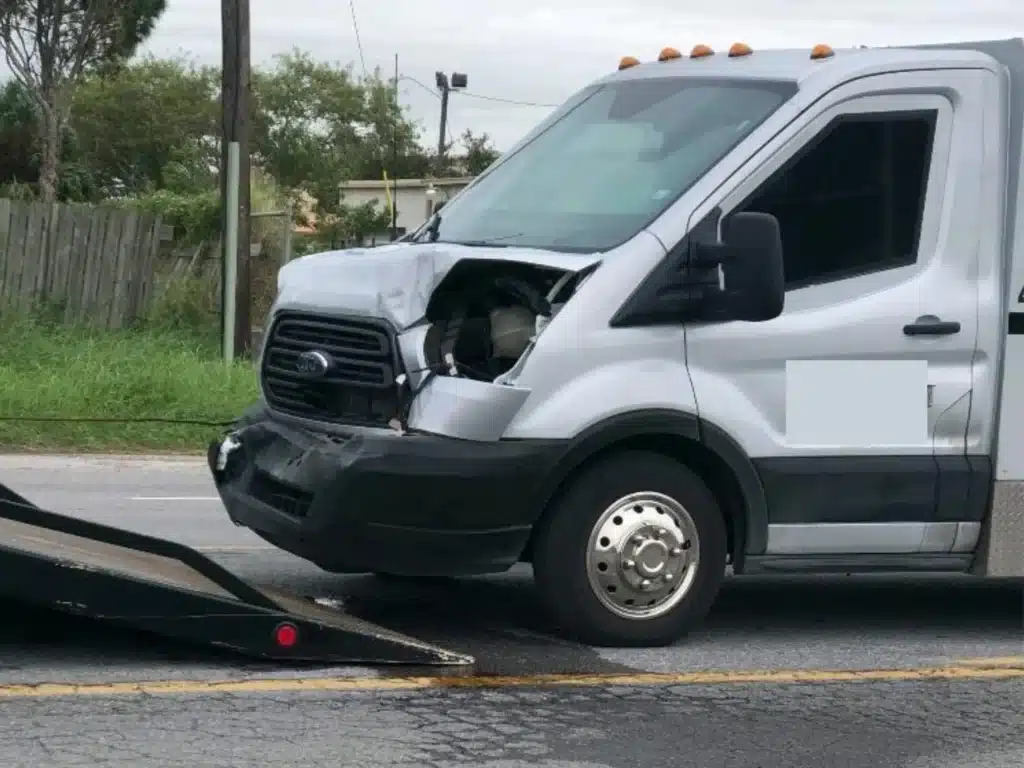
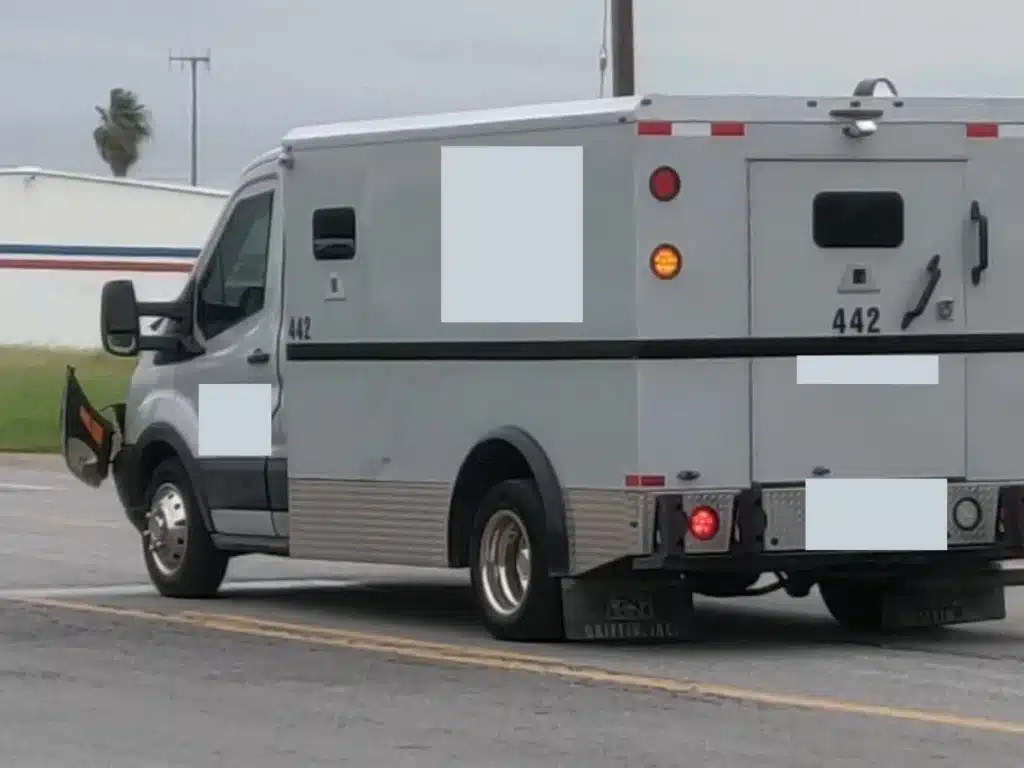
This was not a situation where the family was trying to build liability from uncertain facts. The investigating officer’s narrative documented the sequence: the pickup was ahead, the armored truck was behind it, and the armored-truck driver failed to control speed before the rear impact.
Rear-end impacts like this one were the single largest manner of collision group in TxDOT’s 2025 records, 136,250 crashes statewide, a figure the firm’s Texas Rear End Crash Index puts beside city by city counts. The officer’s citation for failure to control speed appears on the CR-3 as a Box 36 code, one of the entries decoded at its Texas Crash Report Decoder page.
A father carrying more than his own claim
The father was not alone in the truck. His two sons were passengers, which meant the collision created three separate injury claims in one family.
That distinction matters. Families often experience a crash together, but they do not experience the physical consequences in the same way. Each person has a separate medical history, separate symptoms, separate treatment, and separate damages.
The father’s claim ultimately resolved for $125,000. His sons’ claims resolved separately for $9,000 and $28,000. The results reflect separate evaluations of three people affected by the same crash.
The father’s immediate response
About three hours after the collision, the father drove himself to the emergency room. He reported low-back pain along with pain in his left leg and foot.
His initial emergency findings were not dramatic. He described the back pain as minimal, his neurological exam was normal, and X-rays did not identify an acute fracture or other acute injury. He was diagnosed with a lumbar strain and calf-muscle strain, given ibuprofen, and instructed to follow up.
That early record mattered. It was important not to exaggerate it or pretend the case began as an obvious surgical emergency. It did not.
But an initial emergency-room evaluation is only one point in a person’s recovery. It does not necessarily show how symptoms may develop, persist, or affect someone after returning home, trying to work, sitting for extended periods, standing for extended periods, or attempting to resume normal family responsibilities.
When the symptoms did not simply go away
The father began chiropractic care four days after the crash. Over the following months, he attended approximately 39 visits involving therapeutic exercise, traction, manual therapy, electrical stimulation, ultrasound, and hot and cold therapy.
He also received medical-clinic care for neck, mid-back, low-back, and left-ankle complaints. His treatment included ibuprofen and cyclobenzaprine, and he was referred for diagnostic imaging.
The records documented more than a brief period of soreness. They reflected ongoing low-back pain that radiated into the left leg, accompanied by numbness and made worse by prolonged sitting or standing.
For someone trying to remain employed and continue caring for a family, those limitations can shape ordinary parts of a day: getting through a shift, sitting in a vehicle, standing in line, sleeping comfortably, moving around the house, or being present with children without constantly managing pain.
The medical evidence had to be handled honestly
The imaging did not tell a one-sided story, and the case was handled with the actual medical record in mind.
A cervical X-ray described mild degenerative changes and a grade 1 forward slip at C5-C6. A later cervical MRI reported small disc bulges but did not identify fracture, nerve compression, or slippage.
The lumbar MRI documented a dehydrated L5-S1 disc with a 4 mm broad-based herniation and mild narrowing where the nerve exits. Later nerve-conduction and EMG testing showed evidence of left L5 radiculopathy with active nerve changes.
The early emergency records were mild. The X-rays were negative for acute injury. The cervical studies contained differing findings. Those are not details to hide; they are part of the record that had to be addressed directly.
A credible injury claim does not depend on acting as though every study says the same thing. It depends on connecting the documented collision, the reported symptoms, the course of treatment, the imaging, the nerve testing, and the patient’s continued complaints in a clear and accurate way.
Escalation to pain management
When conservative treatment did not resolve the father’s low-back and left-leg symptoms, his care escalated to pain management.
From December 2019 through August 2020, he underwent four lumbar epidural steroid injections under IV sedation.
The documented response to those procedures was mixed:
- 01The first injection did not have clearly stated relief in the available records.
- 02A February 2020 L5-S1 injection was documented as providing no relief.
- 03A later left L5 and S1 transforaminal injection provided 50% relief for two days before symptoms returned to baseline.
- 04A fourth injection was documented as providing 20% relief.
Those details were important because they showed both persistence and restraint. The case did not rely on an unrealistic claim that every procedure solved the problem. Instead, the record showed ongoing symptoms despite treatment and only limited or temporary relief from the injections.
The father’s pain-management records described low-back pain ranging from 8/10 in February 2020 to 5 to 6/10 at an August 2020 telemedicine visit. He was referred to an orthopedic spine surgeon in March and again in August, although the available packet did not include a surgical-consult report.
What we focused on
This claim required more than simply sending medical bills and asking for money. It required building an understandable account of why the father’s treatment made sense after the crash and why the claim deserved meaningful resolution before suit.
We focused on the evidence that mattered:
- The police report documented that the armored truck was behind the pickup and failed to control speed.
- The armored truck was a commercial vehicle owned by an armored-car company.
- The father sought emergency care on the date of the collision.
- His symptoms continued into chiropractic care, medical-clinic treatment, imaging, pain management, and nerve testing.
- The lumbar MRI and EMG provided objective medical evidence relevant to his low-back and left-leg symptoms.
- His treatment spanned approximately 10 months rather than a brief, isolated visit.
- The medical record included limitations and inconsistencies that needed to be addressed, not ignored.
- His sons’ claims were separated from his claim so that each family member’s damages could be evaluated on their own facts.
Resolving the father’s claim
$125,000
Pre-Suit Settlement for the Father
The father’s claim resolved for $125,000 before a lawsuit was filed.
The resolution reflected the documented rear-end impact by an armored truck, the father’s sustained treatment course, the lumbar MRI findings, the EMG evidence of left L5 radiculopathy, the pain-management procedures, and the evidence of continuing low-back and leg symptoms.
Resolving the case before litigation avoided the additional delay, expense, uncertainty, and disruption that a lawsuit can bring. It allowed the father to bring his claim to a close while preserving the strength of the evidence developed through his medical care and the crash investigation.
Separate resolutions for the sons
The two sons were passengers in the pickup. Their claims were not treated as an add-on to their father’s case.
One son’s claim resolved for $9,000. The other son’s claim resolved for $28,000.
Different outcomes within the same family are normal. A fair evaluation depends on the individual person’s medical evidence, symptoms, treatment, age, recovery, and other case-specific damages, not simply on who was present at the crash.
Case result
| Claimant | Role in crash | Result |
|---|---|---|
| Father | Driver of the pickup | $125,000 |
| Son | Passenger | $9,000 |
| Son | Passenger | $28,000 |
Why this result matters
Rear-end commercial-vehicle cases can appear straightforward at first, but the real work is often in the details. It means securing the liability evidence, understanding the commercial ownership structure, reviewing every medical record, acknowledging the records that may be used against the claim, and presenting a complete account of how the collision affected a real person and his family.
Here, the father did not have surgery, and the available medical packet does not include a surgical consultation. His early emergency findings were mild, and some imaging findings differed. But the full record also documented persistent low-back and left-leg symptoms, months of care, lumbar MRI findings, EMG evidence of left L5 radiculopathy, and multiple pain-management procedures.
That complete picture, not a single emergency-room note, a single MRI phrase, or a dollar figure standing alone, supported the $125,000 pre-suit resolution.
Past results do not guarantee a similar outcome. Every injury claim depends on its own facts, available evidence, injuries, treatment, insurance coverage, and damages.

Reviewed by: Josh Alexander, Founder and Managing Attorney
Published:
Last reviewed:
More Texas Crash Case Results
- $850,000Pasadena red light crashSettled in litigation
- $600,000Rockwall County five vehicle crashSettled in litigation
- $600,000Mesquite 18 wheeler crashTruck accident settlement
- $325,000Hood County commercial truck crashSettled in litigation
- $175,000Round Rock construction vehicle crashSettled before suit
- $105,000Texas highway unsafe lane changeSettled before suit
- $105,000Three vehicle crash in DallasPolicy limits recovery
- $100,000Rear end, no police reportSettled before suit
- $95,000Midland company truck left turnSettled before suit
- $82,500Plano company truck left turnSettled in litigation
- $50,000Allen rear end crashPolicy limits settlement
- $30,000Houston hit and run recoveryUM policy limits
13Contact
Hit From Behind by a
Hit From Behind by a
Commercial Truck?
If a company truck or armored vehicle struck you from behind, J. Alexander Law can review the crash report, the commercial ownership and the medical record for you and for every member of your family who was in the vehicle.
No fee unless we recover · Se habla español · Proudly Serving All of Texas