


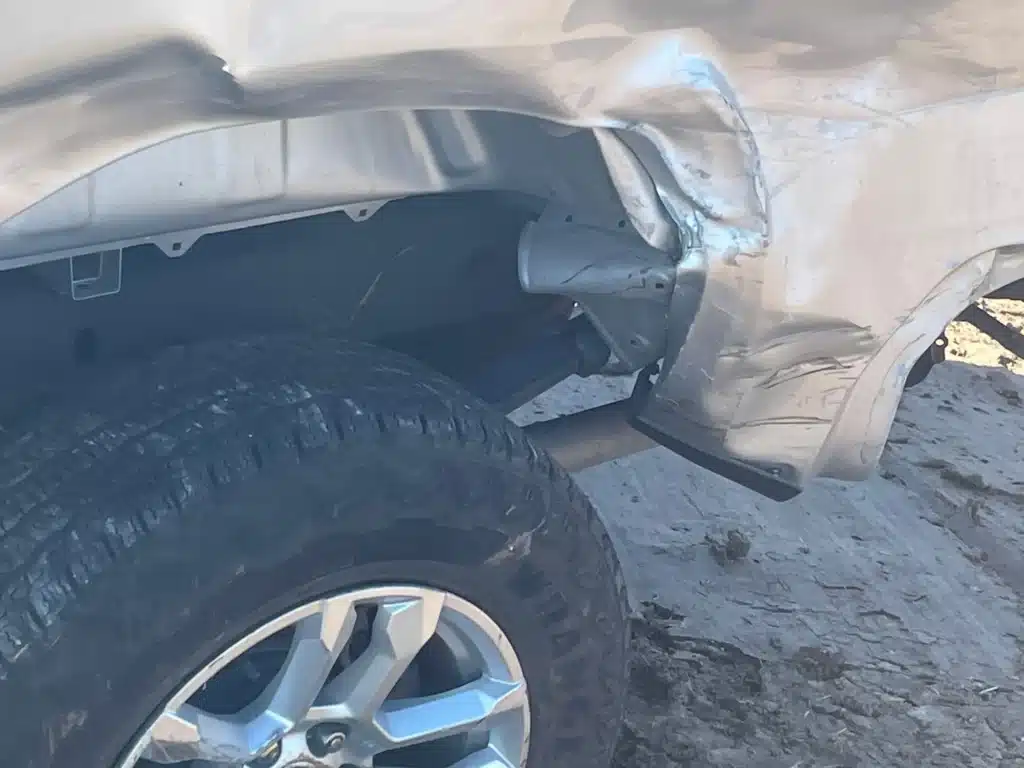
In Texas, liability coverage on the car that caused the wreck pays for the loss of use of yours, usually as a comparable rental, for the reasonable time it takes to repair it or, after a total loss, to replace it. That payment usually starts when the insurer agrees its driver is to blame. Until then, rental reimbursement on your own policy, if you bought it, pays up to its daily and total limits. And if you never rent at all, you can still claim the reasonable rental value of the days you went without a car.

How this guide was checked
Josh Alexander, who founded the firm, prepared and reviewed this guide. It rests on the Texas Supreme Court’s loss of use decision, the standard Texas auto policy and TDI’s claim guidance, and its examples come from our recorded calls, counted by hand without naming any caller. This is general information, not legal advice.
The short answer
Whose Insurance Pays for the Rental?
The other driver’s liability insurer, once it accepts fault, because the standard Texas policy treats loss of use as part of property damage. Before that point, your own rental reimbursement coverage pays if you bought it, within the daily and total caps on your declarations page.
The duty comes from the policy itself. The liability section of the standard Texas auto policy form states that “Property damage includes loss of use of the damaged property,” and TDI’s claim tips tell drivers that the at fault driver’s insurance “should pay for your car repair, medical bills, and a rental car.” The catch is timing: most insurers will not open a rental until they accept that their driver caused the crash.
Your own policy can move faster. Rental reimbursement is an optional coverage with a daily cap and a total cap. If the other car carried no liability policy, your own policy’s UMPD coverage, short for uninsured motorist property damage, pays for that loss of use instead.
Our calls show how much the timing decides. Across 155 recorded crash calls from June to September 2026, a rental came up nine times for callers whose own cars were out of service. In 5, the other driver’s insurer had already accepted fault and put the caller in a rental. In the other 4, the caller was waiting on that decision, paying out of pocket, or had been turned down.
How Long Can You Keep the Rental?
As long as a repair reasonably takes, or, for a totaled car, as long as finding a replacement reasonably takes. The Texas Supreme Court describes loss of use as pay for “a reasonable period of lost use,” and in J & D Towing v. American Alternative Insurance (Tex. 2016) it held that the owner of a destroyed vehicle can recover loss of use on top of the vehicle’s market value, for the reasonable time needed to replace it.
Reasonable is where the arguments happen. Keep dated notes of when the estimate was approved, when parts arrived and when the shop finished; delays you can document are easier to charge to the claim. Totaled cars are where rentals end most abruptly. One caller told us the rental was due back the following week, just after the other driver’s insurer declared the car a total loss. Because the measure is the time reasonably needed to replace the car, ask in writing how the insurer chose that end date, and see how the total loss payout is figured.
What If You Do Not Rent a Car?
You can still claim the loss. Texas measures loss of use by what the owner actually lost, and the Court in J & D Towing listed “the amount of lost profits, the cost of renting a substitute chattel, or the rental value of the owner’s own chattel.” For most drivers that means the daily rental value of a comparable car for each day without one, even if a relative drove you around instead.
A business vehicle can be different. A company that loses a work truck can claim the profits it lost while the truck was out of service; that is what the towing company in J & D Towing sought after its tow truck was destroyed. Either way, keep a dated log of the days without the vehicle and what you spent on rides.
What If the Insurer Refuses or Drags Its Feet?
Refusals usually come down to fault, ownership or the length of the repair. An insurer told one caller there would be no rental because the car had just been bought from a relative and was still titled to her. Get the reason in writing, use your own coverage if you have it, and keep every receipt; once fault is accepted, those costs go into the property damage claim.
Expect the adjuster to make the shortfall sound small. Matthew Graham, our managing litigation attorney, warned while answering client questions for our 2026 video series that adjusters “are trained, and they’re good, at convincing you that what happened to you was no big deal. That your damages are less than you think they are.” Days without a car are part of the loss, so measure any offer against your receipts and dated notes, not against how the adjuster describes it.
If your own insurer is the one holding up a rental you are owed, the prompt payment rules in our section on stalled claims apply to it.
Frequently Asked Question
Can You Choose Any Rental Car You Want?
Not at the other driver’s expense. The claim covers a reasonable rental, which usually means a car comparable to yours; anything larger or fancier is usually yours to pay.
Stuck Without a Car?
If an injury came with the crash and the insurer will not approve a rental or is cutting it short, send us the claim number and its letters, and we will look at what you are owed.
For many clients, the relief is not having to make those calls themselves. Blanca, a client who shared her story in a video on our YouTube channel, put it this way: “I just felt like a weight was lifted off my shoulders when I wasn’t the one having to talk to the insurance or anything or having to go through all these hoops.”
24/7 · Free consultation · No fee unless we win
A Free Review of Your Rental and Injury Claim
J. Alexander Law serves injured clients throughout Texas: Dallas · Houston · San Antonio · Fort Worth · Arlington · Canton. Se habla español.