


Dallas head on collision lawyer.
Reviewed by Josh Alexander, Founder and Managing Attorney · Updated August 2026
If you were injured in a head on collision in Dallas, our attorneys investigate the crash, preserve evidence, identify every available insurance policy, and pursue compensation for your injuries and losses. The answer to that dispute comes from physical evidence, not from either driver’s memory.
Why the first days matter
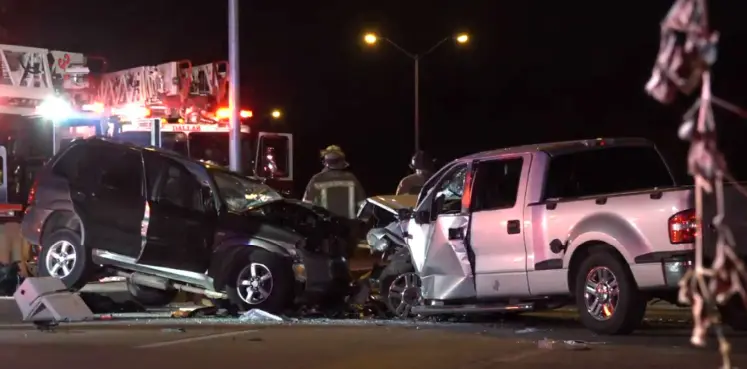
Head on crashes often leave little room for dispute about the severity of the impact. The real dispute is usually fault: which driver crossed the center line, entered the wrong lane, or attempted an unsafe pass.
Tire marks, roadway gouges, vehicle damage, debris fields, electronic vehicle data, and nearby video may show where the collision occurred and how each vehicle was moving before impact. Vehicles may be repaired or salvaged, road evidence can fade, and security cameras may overwrite footage within days.
There are no upfront attorney fees. You pay nothing unless we recover compensation for you.
Rated 4.9 from 568+ client reviews$100M+
Recovered for clients
75+
Years of combined experience
568+
Client reviews
5
Years Super Lawyers Rising Stars
 Dallas Stars
 SMU Athletics
 Sporting United
 Super Lawyers Rising Stars
 Multi-Million Dollar Advocates Forum
 Million Dollar Advocates Forum
 Texas Trial Lawyers Association
Reflects total recoveries across hundreds of resolved matters. Past results do not guarantee a similar outcome.
Center line to courthouse
Hit head on in Dallas? We investigate.
A head on collision occurs when vehicles traveling in opposite directions strike front to front. You may also hear it called a head on collision, a head on car accident, or a frontal collision. Head on collisions are especially dangerous because both vehicles are moving toward each other. The combined closing speed can create a severe impact in a matter of seconds, often causing serious injuries.
In a head on collision claim, the key question is usually: where was each vehicle at the moment of impact? Texas law generally requires drivers to stay on the right side of the roadway, subject to limited exceptions. Physical evidence, such as tire marks, vehicle damage, debris, and roadway gouges, can help show which driver crossed the center line.
Most people already have more of that than they think. Photos on a phone, the crash report number, the name of someone who stopped at the scene. An attorney can tell you what matters.
The four exceptions the insurer will reach for
Read moreShow less
A driver may cross the center line in limited situations, including lawful passing, avoiding an obstruction, traveling on a three-lane road, or driving on a one-way roadway. Section 545.051 of the Texas Transportation Code sets out all four.
An exception does not automatically excuse a crash. The driver must still have had a lawful reason to enter the opposing lane and must have done so safely, which is a question of proof rather than a defeat.

Matthew Graham spent more than a decade directing insurance defense litigation for a major auto insurer. He knows which exception the other side reaches for first, and he helps lead the early evidence work.
How we work the file
How we build a head on case.
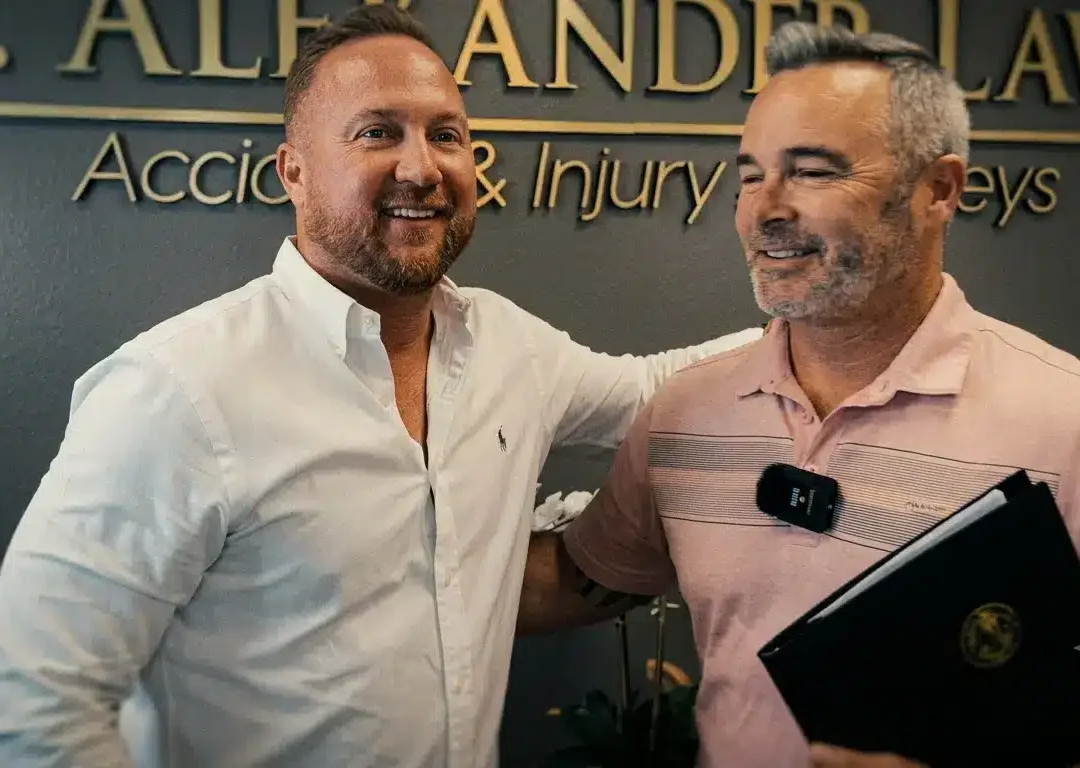
Head on crashes leave little room for dispute about the severity of the impact. The real dispute is usually fault, and fault is settled by evidence that has a shorter life than the filing deadline.
1
Preserve the evidence
We act quickly to protect vehicles, electronic data, video recordings, and other evidence before it disappears.
2
Investigate the roadway
Road markings, visibility, lane configuration, tire marks, gouges, and debris can help establish where the impact occurred.
3
Analyze vehicle damage and data
Vehicle crush patterns and event-data recorder information can reveal speed, braking, steering, and other details from the seconds before the collision.
4
Locate witnesses
Witness memories are strongest immediately after a crash. We work to identify and speak with people who saw the collision or arrived at the scene.
5
Document the full impact of your injuries
Your medical records help establish the care you need now, future treatment needs, work limitations, pain, scarring, and lasting impairment.
Read more
Tell your doctors about all symptoms and activity restrictions. Gaps in treatment or incomplete records can give insurers an argument that your injuries were unrelated or less serious than claimed.
How they start
Common causes of head on collisions.
A vehicle may cross the center line or enter the wrong lane for many reasons. The cause matters because it can affect both fault and the parties who may be responsible.
- ●Wrong-way driving on divided highways, one-way roads, or exit ramps.
- ●Drunk or drug-impaired driving.
- ●Drowsy driving.
- ●Distracted driving, including phone use or a map screen.
- ●Unsafe passing on two-lane roads.
- ●Commercial drivers crossing into opposing traffic.
- ●Mechanical failures or unsafe roadway conditions.
When impairment may have contributed to a crash, we also investigate whether a bar, restaurant, or other business may share responsibility under Texas dram-shop law. That claim generally turns on two things: whether the customer was obviously intoxicated to the point of presenting a clear danger when served, and whether that intoxication was a cause of the crash. It matters most where the driver carried only minimum limits, because a business usually carries more. When a commercial driver caused the crash, the trucking company or employer may also be liable for an employee driving in the course of their work, which opens a commercial policy alongside the driver’s own.
Dallas roads
Where head on crashes happen in Dallas.
A head on crash in Dallas nearly always starts on one of three kinds of road, and each one fails in its own way. The pattern that runs through them is the clock: two of the three below happened between 1 a.m. and 2 a.m., which is the window the impairment research points at.
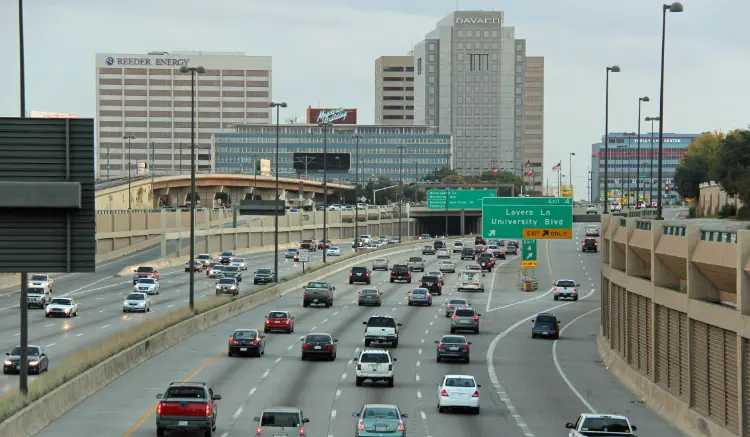
US 75 at Royal Lane
A wrong way entry builds a mile of speed before anyone can react.
Read more
May 2026, around 1 a.m. A car traveling the wrong way down the southbound lanes of Central Expressway met an SUV front to front. Two people died and the SUV driver was seriously hurt.
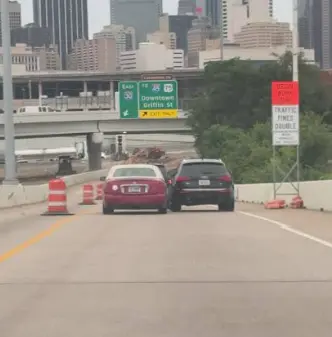
A road like Jeffrey’s
A driver commits to a pass and misjudges the gap. This is the passing exception, tested.
Read more
Our client was stopped in the turn lane into his own neighborhood when an oncoming driver pulled out to pass a slower car. A car crashes head on with someone who was waiting to turn. Nothing about the road is unusual, which is exactly why these get argued rather than conceded.
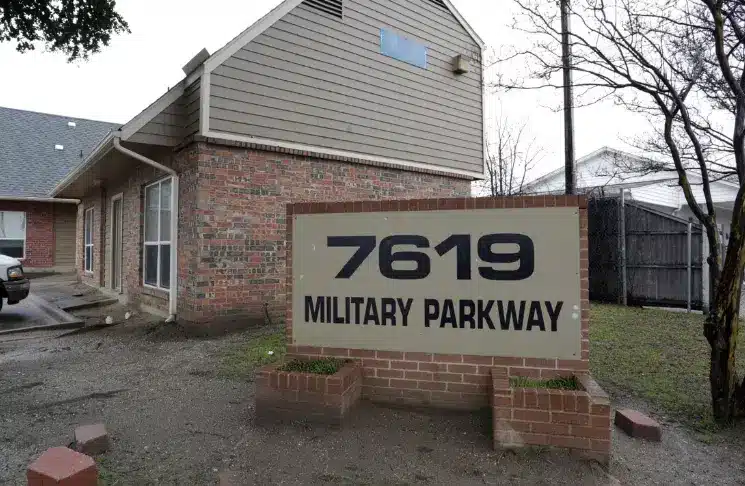
Military Parkway at Jim Miller
Wide, fast streets late at night, where a dram-shop question is worth asking.
Read more
April 2026, just after 2 a.m. A pickup and a sedan met near that East Dallas intersection, and the driver was later charged with intoxication manslaughter.
Dallas County recorded 6 deadly wrong way crashes on one way roads in 2017 and 16 in 2022, per TxDOT figures reported by CBS Texas. The US 75 crash was reported by FOX 4, the East Dallas charge by CBS Texas, and the impairment share comes from the AAA Foundation’s study of fatal wrong way crashes. The US 75 and East Dallas crashes are public incidents reported in the news, not firm cases. The two-lane example is our own client’s crash, described in his video above. A wrong way crash is only one of these three patterns.
What the impact does
Head on collision injuries.
Head on crashes cause life-changing injuries because both vehicles are moving toward the impact. Two vehicles each traveling 50 miles an hour close the distance between them at 100. That does not mean either vehicle hits a wall at 100, but it does mean the force lands on the occupants of both vehicles at the same time.
What that force does, and what it costs
Frontal impacts, including head on crashes, are among the most dangerous collisions on the road. In 2024 they accounted for 59 percent of passenger vehicle occupant deaths, and of the 13,228 occupants killed in them only 45 percent were wearing seat belts, per the Insurance Institute for Highway Safety.
The higher the speed, the greater the potential for severe injury or death. A wrong-way or high-speed head on crash may cause traumatic brain injuries, spinal injuries, broken bones, internal injuries, permanent impairment, or death. Where a person dies from the collision, the case becomes a wrongful-death claim.
Serious injuries can also exhaust the at-fault driver’s policy before treatment is complete. Our role is to identify the coverage available and pursue compensation that reflects the full effect of the crash on your health, work, finances, and daily life.
Only your medical providers can diagnose your injuries, recommend treatment, and determine your prognosis.
Common injuries
- ●Traumatic brain injuries and concussions
- ●Neck and back injuries
- ●Herniated discs and spinal injuries
- ●Broken bones
- ●Chest and internal injuries
- ●Leg, knee, ankle, and foot injuries
- ●Facial injuries and scarring
- ●Chronic pain and permanent impairment
Injuries like these take months of care, and your medical record is what carries them into a claim. Speak with an attorney about your treatment.
Head on collision case results.
$716K
Motor vehicle accidentRecovered for a driver injured by another motorist’s negligence.
$222.5K
Motor vehicle accidentResolved for a client hurt in a Texas vehicle collision.
$215K
Motor vehicle accidentSettlement for a client injured by a negligent driver.
Firm recoveries are shown before attorney fees, case expenses, and medical liens. Past results do not guarantee a similar outcome. Every case is different.
Questions after a head on collision.
Who is at fault in a head on crash on a Dallas divided highway?
The driver who crossed into the oncoming lanes. On a divided road like Central Expressway that almost always means a wrong-way entry, and Texas law requires drivers to keep to the right half of the roadway under Section 545.051 of the Texas Transportation Code.
The statute allows four narrow exceptions, so the scene evidence still decides the case. An exception does not excuse a crash on its own.
The other driver says he was passing. Does that hold up?
Only if passing was permitted at that spot and could have been completed safely. Both halves have to be true.
Lane markings, sight distance, the position of the slower vehicle, and the debris field settle it. On a two-lane road with a turn lane, the geometry is usually against the driver who tried it.
How do you prove who crossed the center line when there is no camera?
From the road and the vehicles. Tire marks and gouges locate the impact, the debris field gives the angle, crush damage shows how the cars met, and the event data recorder holds speed, braking, and steering from the seconds before.
Dallas corridors carry traffic cameras. The two-lane roads at the edge of the county do not, so the physical evidence is the whole record, and it fades with rain and traffic. Where that evidence and the crash report disagree, a reconstruction engineer settles it.
My crash was after midnight in East Dallas. Does that change the investigation?
It changes what we look for. Research on fatal wrong-way crashes ties roughly six in ten to an alcohol-impaired driver, and the Dallas crashes that reach the news cluster between 1 and 2 a.m.
Where impairment is in the picture we look past the driver. If a bar or restaurant over-served them before the crash, Texas dram-shop law can reach that business, which matters most when the driver carried only minimum limits.
What if I was partly at fault in a Dallas head on crash?
You can still recover if your share is 50 percent or less. Your compensation drops by your percentage, and above 50 percent you recover nothing, under Section 33.001 of the Texas Civil Practice and Remedies Code.
In a head on the impact itself is rarely denied, so the argument moves to your driving. That is why the scene evidence gets built from measurements rather than recollections.
What if the at-fault driver carried only the Texas minimum?
It runs out fast. The minimum is 30,000 dollars for one injured person, a figure unchanged since 2011, and a serious frontal impact passes it quickly.
Being blameless does not make that policy any bigger: the at-fault liability policy pays first and stops at its limit whoever caused the crash. Once it is exhausted we look to an employer’s policy if the driver was working, excess coverage above the first policy, and your own uninsured and underinsured motorist coverage. PIP and MedPay pay medical bills regardless of who caused the crash.
What does a settlement leave you after the deductions?
The figure minus four things, in order: the attorney fee, case expenses, medical liens, and unpaid provider bills. On a 25,000 dollar policy those deductions decide most of what reaches you.
No reliable average exists to quote you. A claim is priced from the bills already issued, your doctor’s written projection for future care, your employment records, and the coverage behind the crash, then reduced by whatever share of fault the other side argues. We put the arithmetic in writing before you sign anything.
Where would a Dallas head on case be filed, and how long do I have?
A suit from a Dallas crash is generally filed in Dallas County district court. Most Texas personal injury lawsuits must be filed within two years of the crash, under Section 16.003 of the Texas Civil Practice and Remedies Code.
Those two years govern the lawsuit, not the evidence. Vehicles get repaired or scrapped and camera footage is overwritten within days, so the proof runs out long before the deadline does.
Your legal team
Meet your legal team.
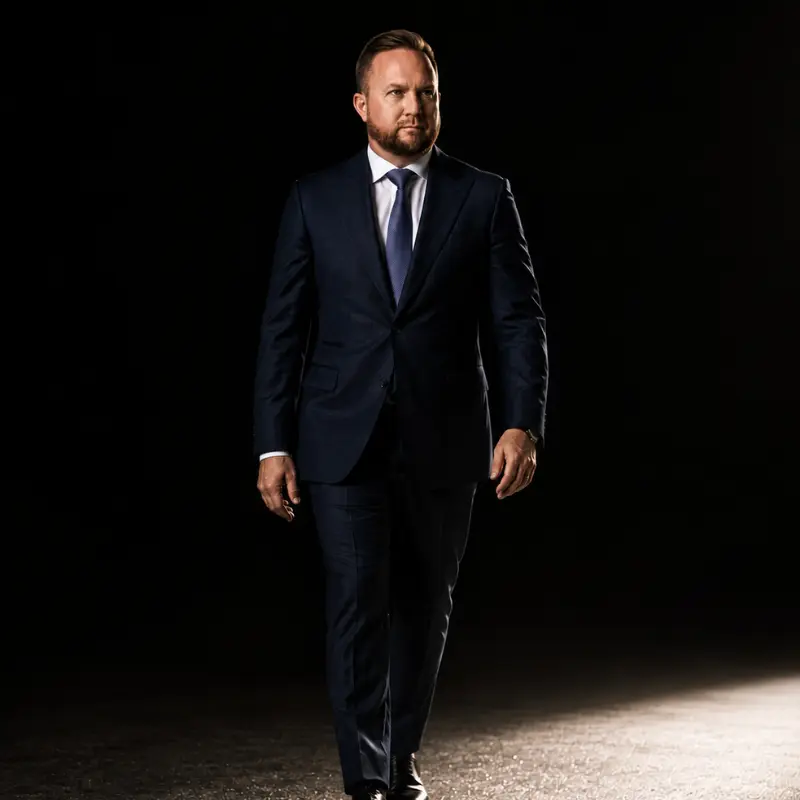
Josh Alexander
Founder and Managing Attorney
Josh Alexander is a Marine Corps veteran and Texas trial lawyer with more than 10 years of courtroom experience. In a head on collision case, his focus is on the evidence that establishes where each vehicle was when the crash occurred.
Meet Josh AlexanderMatthew Graham
Managing Litigation Attorney
Matthew Graham spent more than a decade directing insurance-defense litigation for a major auto insurer. He understands the arguments insurers use in serious collision claims and helps lead early evidence-preservation efforts.
Meet Matthew Graham
Laura Rivas
Senior Associate Attorney
Laura Rivas has nine years of experience representing injured Texans in vehicle, truck, catastrophic injury, and wrongful-death matters. She communicates directly with clients in English and Spanish.
Meet Laura RivasCalls are answered in English and Spanish, and you can speak with an attorney rather than a call center.
Client reviews
Client reviews.
★★★★★
“Very pleasant experience having this firm work with me on a car accident case. They were transparent and diligent and kept me fully updated.”
Reagan N.Google review
★★★★★
“After speaking to them, we were put immediately at ease. They have been absolutely amazing at what was a very stressful time for us.”
Kelly H.Google review
★★★★★
“They went above and beyond, getting me way more money than I ever expected. Their dedication and expertise were clear from the start.”
Noora A.Google review
Reviews from actual clients. Past results do not guarantee a similar outcome.
Dallas headquarters
Talk with a Dallas head on lawyer.
A head on collision is one type of car accident claim. Our Dallas car accident lawyers page covers the broader process, the evidence that matters, and what to expect in the first week after a serious crash.
A head on crash can create immediate medical, financial, and legal pressure. Bring us the crash report, the location of the collision, and any information you have about the vehicles or insurance companies involved. We will review your case, calendar key deadlines, and explain your options. There are no upfront fees.
12801 N Central Expy, Suite 1100
Dallas, TX 75243 (469) 807-7480
Dallas, TX 75243 (469) 807-7480
Attorney advertising. Josh Alexander is responsible for this content. Principal office: 12801 N. Central Expressway, Suite 1100, Dallas, TX 75243. This page describes head on collisions between private vehicles and is written for people injured in one, not for drivers defending a claim. Crashes involving commercial trucks are handled by our truck accident team. Past results do not guarantee or predict a similar outcome. This information is general in nature and is not legal advice. Contacting the firm does not create an attorney-client relationship. Spanish-speaking staff are available.