


$550,000 Commercial Van Accident Settlement for a Dallas Pickup Driver
On This Page
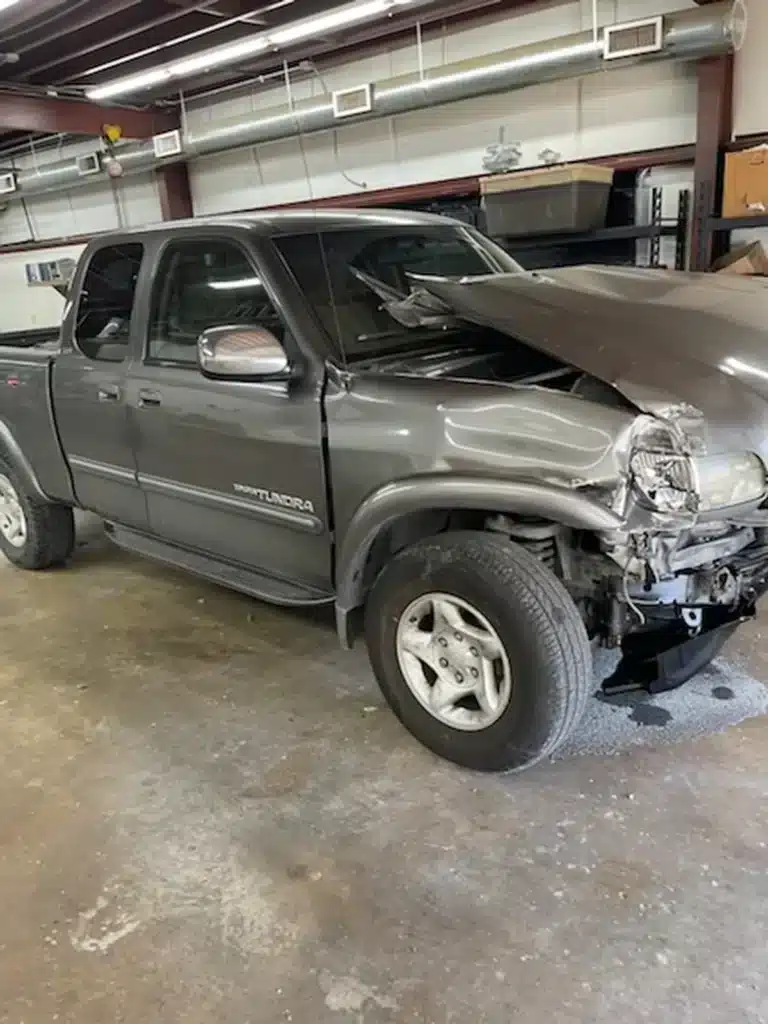
J. Alexander Law Firm attorney Laura Rivas represented a Dallas driver whose pickup collided with a commercial van at Peavy Road and Hermosa Drive. The investigating officer reported that the van disregarded the traffic signal. Laura filed suit, and the case settled during discovery for $550,000, before trial.
The settlement was gross. Attorney’s fees, case expenses and amounts owed for medical care reduced what our client received.
Case Snapshot
| Detail | This case |
|---|---|
| Location | Peavy Road at Hermosa Drive, Dallas |
| Client | Driver of the pickup |
| Other vehicle | Business owned commercial van |
| Attorney | Laura Rivas |
| Principal injuries addressed | Left shoulder rotator cuff tears, a left wrist cartilage tear, and neck and upper back strains |
| Treatment | Pain management, chiropractic care, therapy and four shoulder injections |
| Resolution | $550,000 gross settlement during litigation |
How We Helped Him Pursue the Claim
An Attorney Responsible for Taking the Case Into Litigation
Our client’s medical records documented shoulder pain, restricted movement, wrist pain and left arm numbness. Those complaints led to imaging, therapy and repeated injections over several months.
Laura handled his legal claim during that treatment period. Her representation extended beyond submitting an insurance demand: she filed a lawsuit and continued handling the matter through discovery and settlement.
For someone considering the firm, this case shows a specific part of our service, an identified attorney pursuing a claim into litigation rather than limiting the representation to an initial insurance submission.
The Collision at Peavy Road and Hermosa Drive
The Officer Reported That the Van Disregarded the Signal
Our client was traveling east on Hermosa Drive shortly after 11 a.m. The weather was clear, and the pavement was dry.
A commercial van was traveling north on Peavy Road. The officer’s narrative states that the van “DISREGARDED A STOP AND GO SIGNAL.”
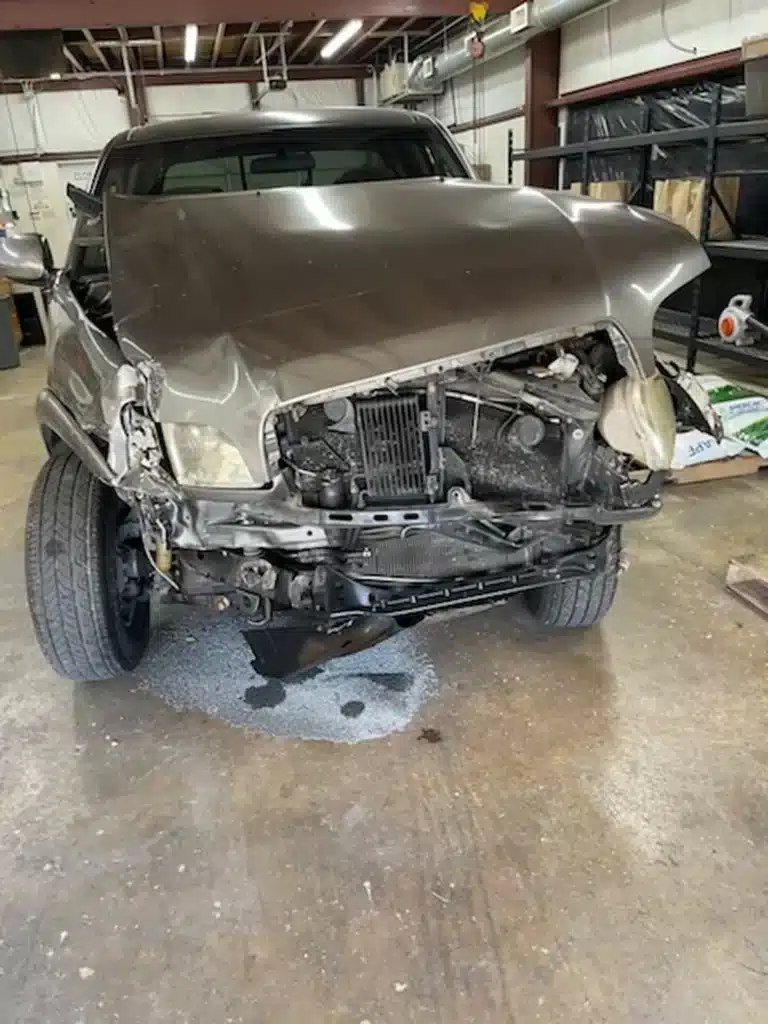
The pickup’s front end struck the van’s left side. The van rolled onto its right side.
The report assigned contributing factor 15 to the van driver and recorded no contributing factor for our client. It also listed a business as the van’s owner.
Dallas Fire Rescue treated both drivers at the scene. Neither was transported to a hospital, and the officer recorded our client as possibly injured.
Read the redacted Dallas crash report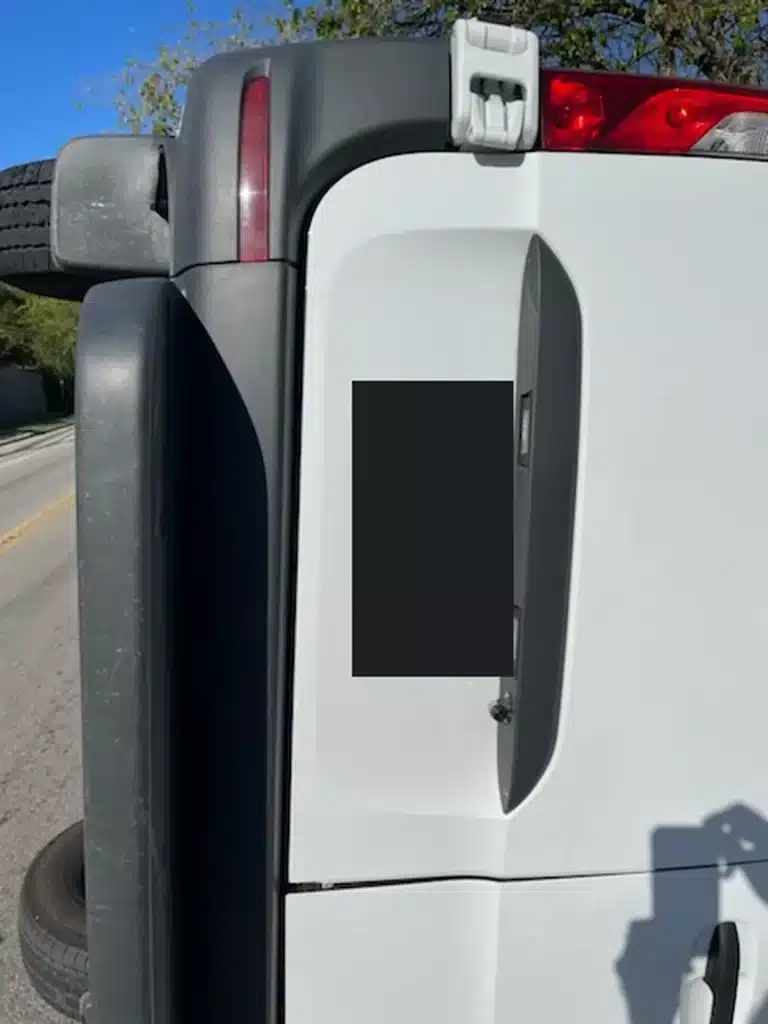
The Medical Questions Behind the Claim
His First Appointment Was 16 Days After the Crash
Our client later told his chiropractor that he did not feel pain immediately. He described dull neck pain beginning a few days afterward and worsening. He also reported that his left shoulder struck the door and that his seat broke.
At his first medical appointment, the provider documented shoulder tenderness, reduced movement, severe wrist pain, and left arm numbness and tingling. Imaging was ordered.
Those findings established his condition when he sought care. They did not erase the interval before treatment or independently establish when each injury occurred.
The Imaging Showed Both Tears and Degenerative Changes
The shoulder MRI documented partial rotator cuff tears alongside arthritis and tendon degeneration. The wrist MRI also showed a cartilage tear and arthritic changes.
An orthopedic surgeon subsequently diagnosed a traumatic incomplete rotator cuff tear. That assessment supported the injury claim, while the degenerative findings remained part of the record.
The account therefore cannot be reduced to either “all new damage” or “only wear and tear.”
The Prior Crash History Was Inconsistent
A pain management intake mentioned a 2018 collision and described the current crash as an aggravation. A chiropractic intake recorded no prior trauma.
Those entries did not supply a consistent history. This page does not claim that our client had no earlier injury or that every MRI finding originated in this collision.
Other records differed about airbag deployment, scene treatment and handedness. Some imaging reports also carried an incorrect accident date. The shoulder MRI report was later corrected. This account does not treat the remaining differences as resolved.
Treatment and Recovery Over Nearly Ten Months
The reviewed medical packet contained 219 pages. Together, the records documented the findings, treatment responses and eventual improvement.
| Time after the crash | Documented findings or care |
|---|---|
| Day 16 | Pain management appointment for shoulder and wrist pain, reduced shoulder movement, and left arm numbness and tingling |
| Day 23 | Shoulder MRI showing a high grade partial supraspinatus tear, a partial subscapularis tear and a biceps support injury, alongside degenerative findings |
| Day 23 | Wrist MRI showing a large central TFCC tear, a tear in the cartilage complex supporting the wrist, with bone marrow swelling and arthritic changes |
| Day 44 | First shoulder injection, followed by approximately 30% reported relief |
| Days 51 to 139 | Approximately 23 chiropractic and therapy visits. Recorded pain scores decreased from as high as 8 out of 10 to 1 out of 10 |
| Day 64 | Orthopedic surgeon’s diagnosis of a traumatic incomplete rotator cuff tear |
| Through day 282 | Four shoulder injections in total. The first two provided limited relief, with greater reported relief after later joint injections |
| Day 296 | More than 80% improvement, mild remaining pain and possible return near his functional baseline |
No surgery was recommended in the reviewed records. Although a hand and wrist surgical referral appeared in the file, the records did not document a completed consultation.
His improvement is an important part of the result. The claim involved treatment already received and the symptoms documented over time, not an assertion that he remained severely impaired.
A $550,000 Settlement During Discovery
Laura filed suit, and the case reached discovery, when the parties exchange evidence and information relevant to the lawsuit. The parties then agreed to settle before trial.
The settlement was not a judge’s or jury’s determination of fault, medical causation or damages. We do not attribute it to a single scan, diagnosis or litigation step.
Injured in a Commercial Vehicle Collision?
Tell us what happened, when you first sought treatment and what your providers found. We can discuss whether we can help review the collision evidence, medical history and potential insurance coverage.
Tell Us About Your CrashSources, Limitations and Attorney Review
Where the Facts Come From
| Source | What it supports |
|---|---|
| Redacted Dallas police crash report | The officer’s collision account, contributing factor, vehicle ownership entry, rollover, scene treatment and damage entries |
| Client medical records, 219 pages, not published | Symptoms, imaging, diagnoses, treatment dates, differing histories and recovery |
| Firm’s case file, not published | Laura Rivas’s representation, the lawsuit, settlement stage and amount |
The crash report does not verify the medical treatment or settlement. Those portions are reported by the firm from the medical records and its case file.
The report’s business ownership entry does not, by itself, establish the business’s legal responsibility. The settlement also does not establish what another person with similar injuries should recover.
Past results do not guarantee a similar outcome.

Attorney handling the case: Laura Rivas, Senior Associate Attorney

Reviewed by: Josh Alexander, Founder and Managing Attorney