


$47,000 Dallas Left Turn Accident Settlement at Walnut Hill and Rambler
On This Page
J. Alexander Law Firm recovered $47,000 for a woman whose sedan was struck by a left turning car at Walnut Hill Lane and Rambler Road in Dallas.
The other driver’s insurer paid its full $30,000 liability limit. Our client’s underinsured motorist (UIM) coverage paid an additional $17,000. Both claims settled without a lawsuit.
The recovery was gross. Attorney’s fees, case expenses and payments owed for medical care reduced what our client received.
Case Snapshot
| Detail | This case |
|---|---|
| Location | Walnut Hill Lane at Rambler Road, Dallas |
| Officer’s finding | Signal violation assigned to the turning driver. No contributing factor recorded for our client |
| Conditions addressed | Neck pain with right arm symptoms, rib and mid back pain, and a small T8 to T9 disc herniation |
| Treatment | Chiropractic care, therapy and cervical facet injections |
| Documented care period | First visit on day 7. Final follow up on day 106 |
| Resolution | $47,000 gross recovery before suit |
How the Crash Happened
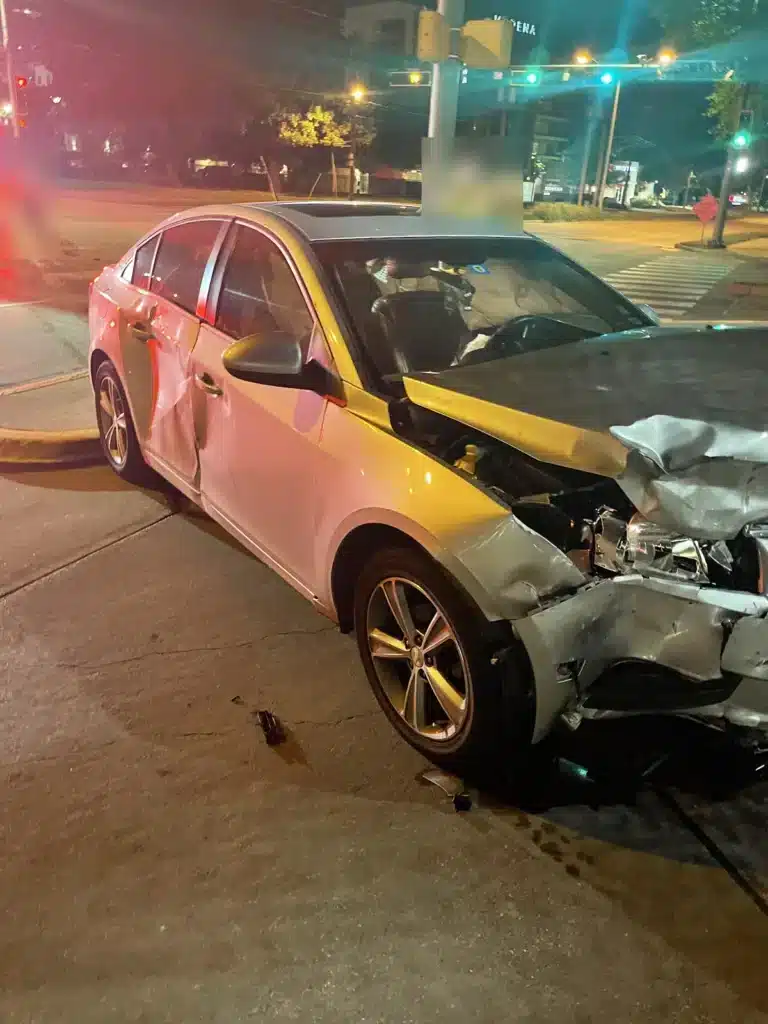
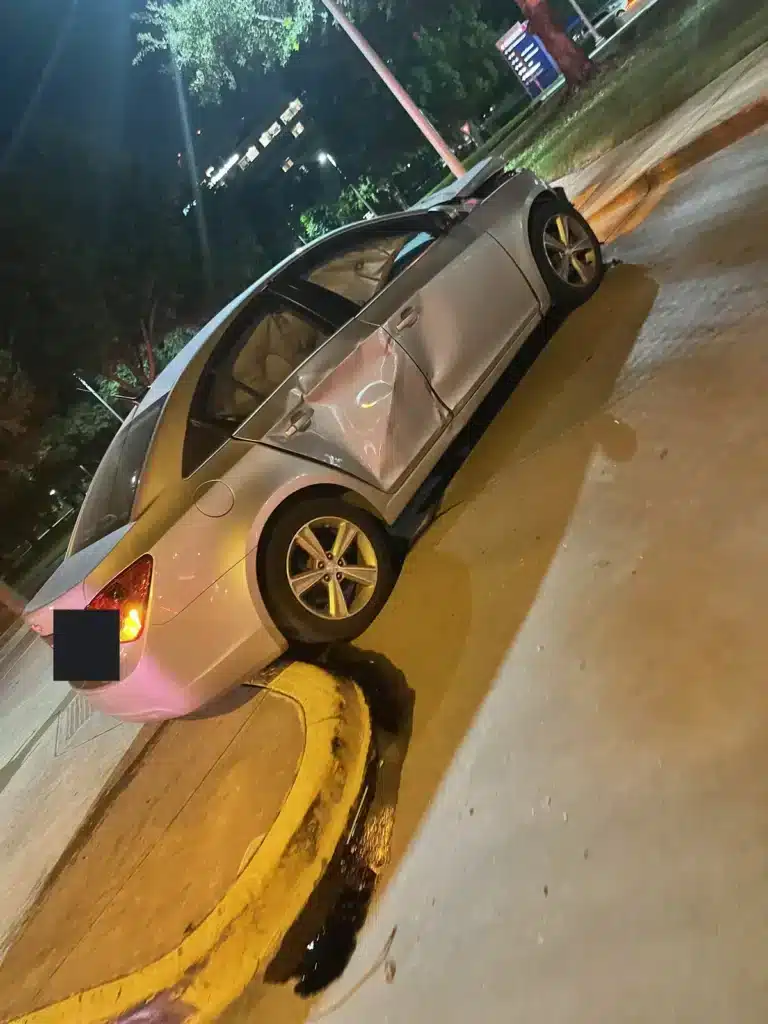
Shortly after 11 p.m., our client was driving west in the right lane of Walnut Hill Lane. The weather was clear, and the road was dry.
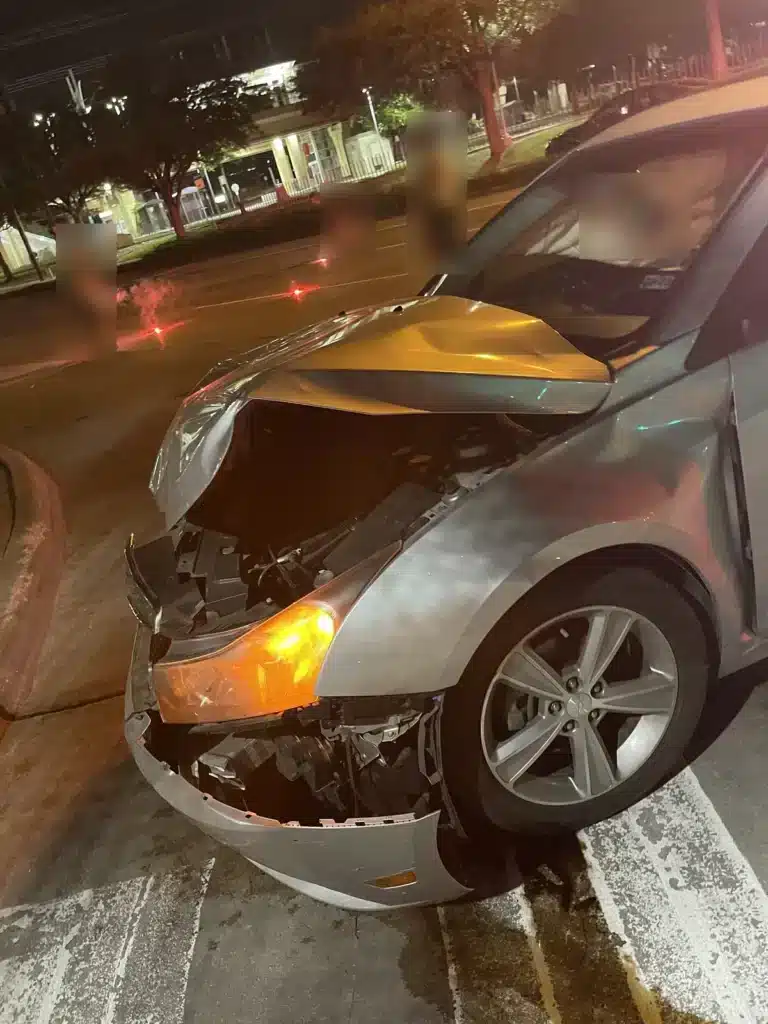
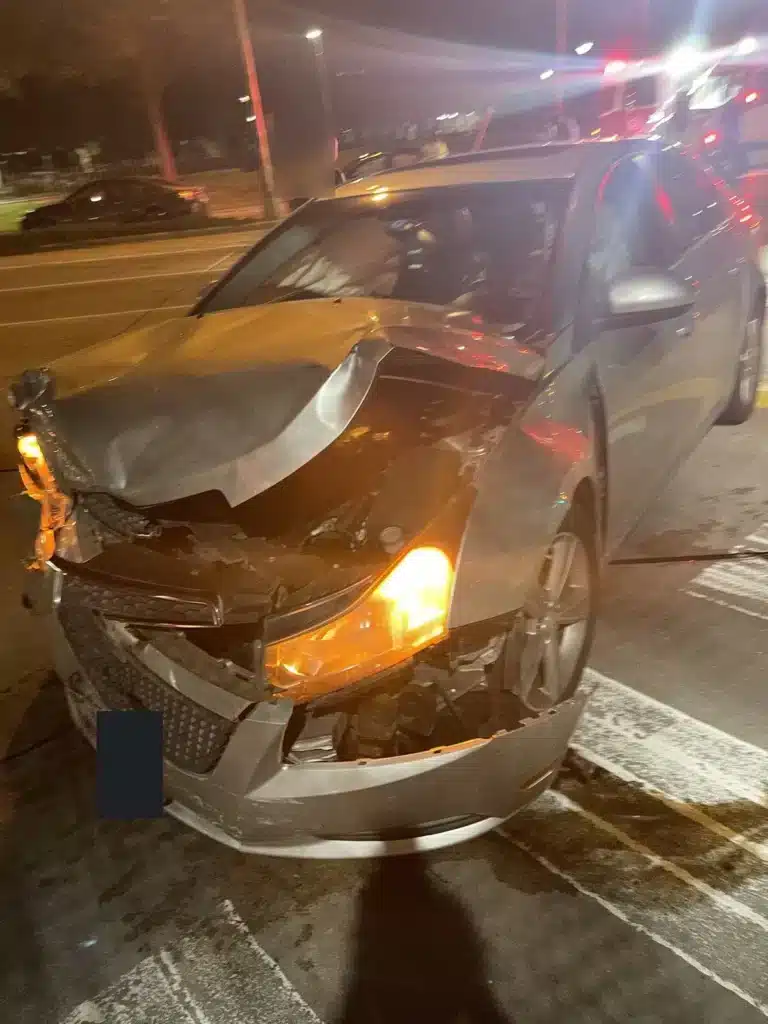
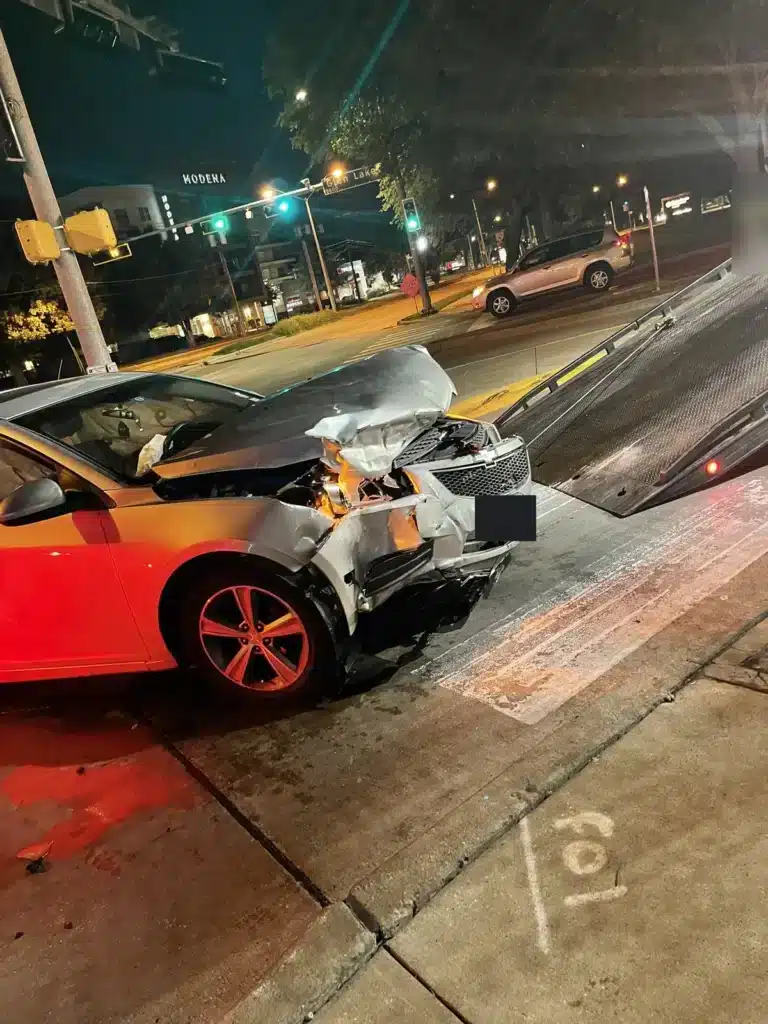
A southbound driver on Rambler Road turned left. According to the officer’s narrative, that car’s left front corner struck the front of our client’s sedan. Both vehicles’ airbags deployed.
The turning driver said the light was yellow. Our client said hers was green. The officer assigned contributing factor 15, disregarding a stop and go signal, to the turning driver and recorded none for our client.
Both drivers were recorded as uninjured at the scene, and neither was transported by ambulance.
Read the Redacted Dallas Crash Report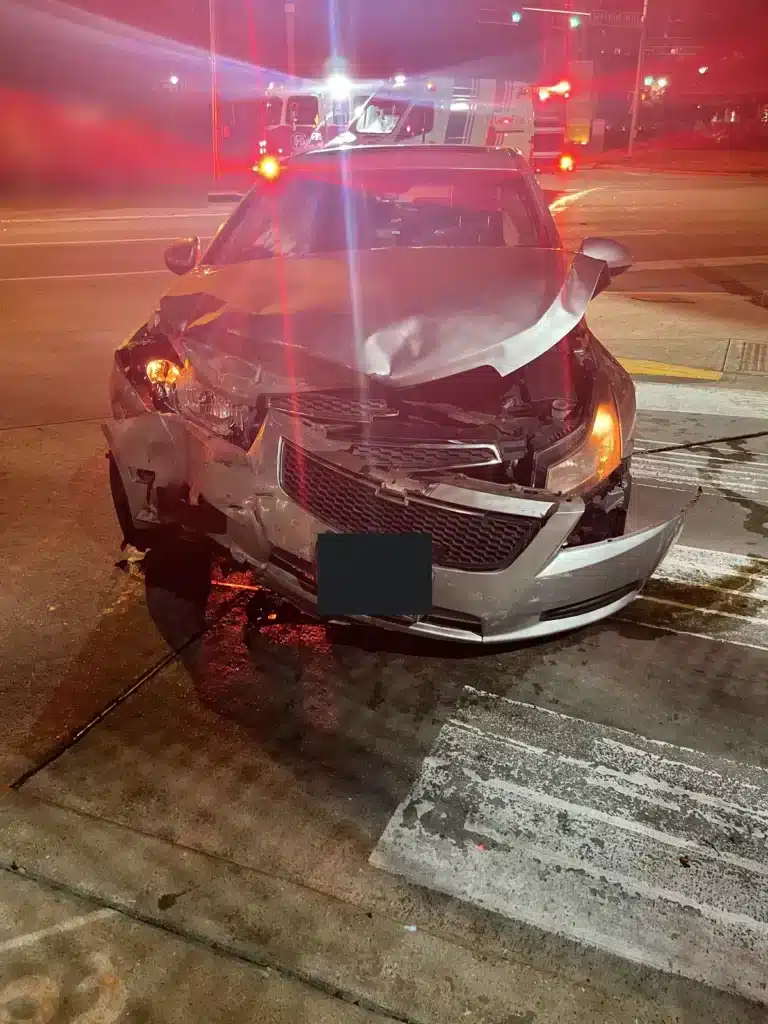
Her Experience After the Crash
“The airbags went off and I was shaken, but I thought I was okay. A week later I couldn’t take a deep breath without my ribs hurting.”
Our client said she expected the soreness to pass. When she sought care on day seven, she reported neck, rib and mid back pain, including pain with deep breaths.
She attended eight chiropractic appointments over the next ten days, followed by further treatment. Therapy eventually ended when her work schedule prevented continued attendance.
She described driving through the Walnut Hill and Rambler intersection again as the hardest part of the experience.
While she managed treatment and work, our team gathered records from four providers and handled negotiations with both insurers.
Treatment and Recovery
| Day after the crash | Documented care and findings |
|---|---|
| 7 | First chiropractic appointment. X rays showed no fracture |
| 8 to 17 | Eight chiropractic treatment visits |
| 18 | Pain management evaluation documented neck pain extending into both shoulders and the right arm, with normal strength and sensation. MRIs ordered |
| 23 to 59 | Further chiropractic care and therapy |
| 31 | Neck MRI showed no herniation, narrowing or spinal cord abnormality. Mid back MRI showed a 1 mm T8 to T9 herniation without narrowing |
| 85 | Audio only follow up to proceed with injections |
| 89 | Left sided cervical facet injections at C4 to C5 and C5 to C6 |
| 106 | Substantial improvement, regular work duties and mild remaining neck and rib pain |
At her final documented visit, our client was taking anti inflammatory medication only as needed. Her physician deferred further procedures and would consider an epidural injection only if symptoms worsened.
That was a conditional recommendation, not treatment she had received.
How We Built the Claim
Using the Officer’s Finding to Address the Signal Dispute
The drivers gave different accounts of the light. We relied on the officer’s signal finding to support the liability claim rather than presenting our client’s account as independently established.
The report assigned the violation to the turning driver and recorded no contributing factor for our client. That supported our presentation, although it was not a court determination of fault.
Pursuing a Separate UIM Recovery
After the liability insurer paid its limit, we pursued our client’s UIM claim. That provided an additional source of recovery under her own policy.
The second claim required its own negotiation. It added $17,000 to the liability payment.
Addressing the Limits of the Medical Evidence
The 79 page demand packet included records from four providers. We presented the documented symptoms and treatment alongside the questions those records raised:
- Treatment began on day seven. We relied on what she reported when she sought care rather than filling the preceding week with undocumented symptoms.
- Imaging did not explain every complaint. Two treating providers attributed her injuries to the collision within reasonable medical probability. The scans alone did not establish causation.
- Follow up imaging was not documented. The thoracic radiologist suggested a contrast study for a finding considered most likely a prominent central canal. That study did not appear in the reviewed records.
- Some histories conflicted. Certain provider records listed her as a passenger, while the police report identified her as the driver.
- The injection side remained unexplained. Her symptoms were recorded on the right, but the injections were performed on the left.
We did not describe those differences as resolved or portray her symptoms as unchanged after the records documented improvement.
Resolving the Remaining Claim Through Negotiation
The liability payment exhausted that policy’s identified limit. By the final treatment record, our client had improved substantially, was performing her regular job duties and had no further procedure scheduled.
We negotiated the UIM claim to resolution without filing suit. That avoided litigation and its associated time and expenses, but it does not establish what a lawsuit would have recovered.
Settlement Breakdown
| Payment source | Gross recovery |
|---|---|
| Other driver’s liability insurer | $30,000, full policy limit |
| Client’s UIM insurer | $17,000 |
| Total | $47,000 |
We do not attribute the outcome to a single record or claim handling step.
Hit by a Left Turning Driver?
Share what happened and any correspondence from either insurer. We can discuss whether we can help review the crash report, treatment history and potential insurance coverage, including coverage under your own policy.
Get a Free Review of Your ClaimSources and Attorney Review
| Source | What it supports |
|---|---|
| Redacted Dallas crash report | Drivers’ accounts, the officer’s signal finding and collision details |
| Medical records in the 79 page demand packet | Treatment, imaging, provider opinions, differing histories and recovery |
| Firm’s claim file | Insurance payments, UIM claim, liability limit and pre suit resolution |
| Client’s statement | Her quotation, reason for delaying care and experience returning to the intersection |
| Attorney review of the claim file | The firm’s account of its evaluation and handling |
The crash report does not verify the medical or settlement facts. No court determined fault, medical causation or damages, and the settlement does not establish that either insurer accepted every diagnosis.
Past results do not guarantee a similar outcome.

Reviewed by: Josh Alexander, Founder and Managing Attorney